Scale Tips | Please Stop Doing This
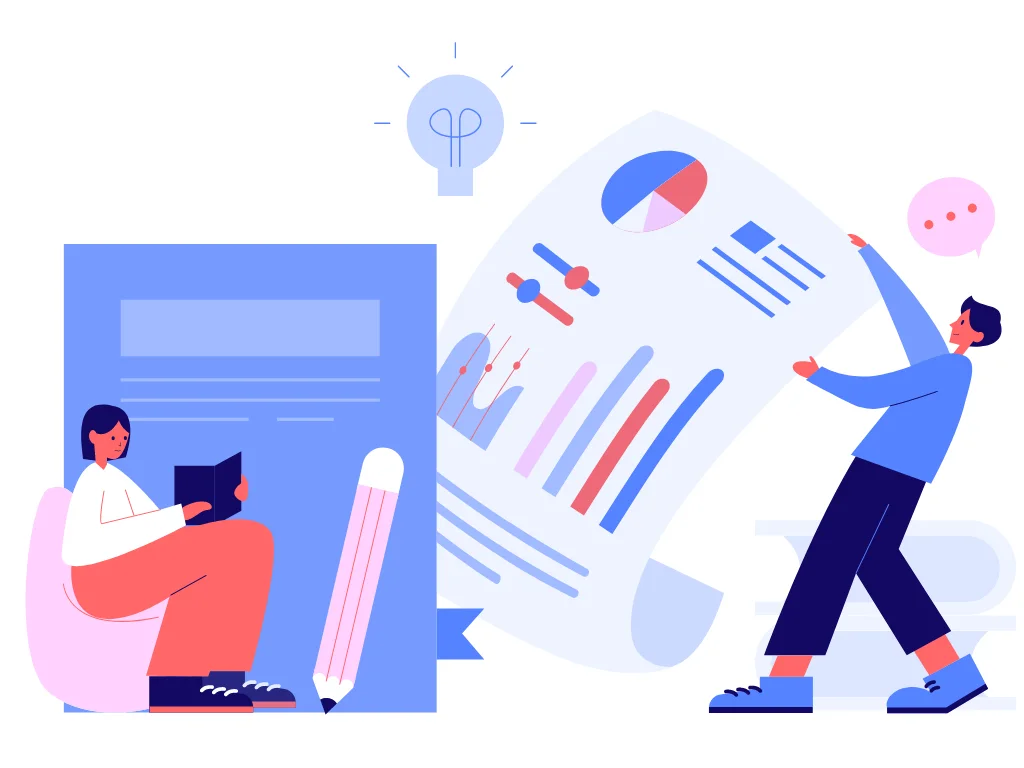
Source: EClinCloud. Author: EClinCloud.
Editor's note: Our last two Scale Tips articles introduced how to select scales, how to obtain scale copyrights, and repeatedly emphasized the importance of scale copyright. Even so, many issues still arise when using scales in clinical research. Our editor has gathered and organized some common questions and provided answers here—see if any of these match what you are currently experiencing.
1

During the protocol design stage, how should we choose the right scale version? What are the differences between different versions?
During the protocol design stage, it is generally recommended to select either a generic or a specific scale based on the study characteristics, while also considering subject characteristics to choose a scale with strong operational feasibility.
As clinical research science advances, research methodologies evolve, and regulatory agency standards continue to be refined and improved, copyright holders also revise, update, and trim scales to make them better suited to current contexts, while deriving versions tailored to different study populations (i.e., subject populations). In general, it is recommended to use the latest version of a scale while selecting the scale based on the study characteristics and subject characteristics.
In the editor's view, this is much like how mobile phones are constantly upgraded—driven by new technologies and new needs, all to give users a better experience. As an indispensable tool in clinical trials, scales should also be kept up to date,
So is the scale you are using the latest version?
2
Can a scale copyright license be purchased retroactively after the scale has already been used?
While it depends on the specific situation, the editor does not recommend purchasing a copyright license retroactively after use.
Infringement can lead to two consequences: first, the retroactive collection of expensive copyright licensing fees along with penalty charges; second, some copyright holders take a dim view of "use first, buy later" practices. Even if you pay the retroactive licensing fee, the copyright holder will still refuse to recognize the validity of the scale as already used by the sponsor and will require an explicit note in the project stating that "authorization was not obtained when using this scale."
This is much like having words tattooed on your forehead announcing your own lack of professionalism; in the editor's view, it is a counterproductive move where the losses outweigh the gains, and it should definitely be avoided.
3
Swipe up to view the conversation
The scale I used in my previous project has already been translated—why do I still have to pay a translation fee to the copyright holder for a new project?
As the editor can tell you, whether a translation fee must be paid depends on the copyright holder's requirements.
In a more fortunate scenario, the copyright holder grants the scale license on a time-limited basis, meaning the sponsor can use the Chinese version of the scale an unlimited number of times within a specified period or scope. Aside from that, if the original scale undergoes a version update or content revisions requiring a new Chinese translation, new translation fees will also be incurred and must be paid again.
However, some copyright holders charge on a per-project basis. Once a project ends, if a new project is started using the same scale, all fees—including both the copyright licensing fee and the translation fee—must be paid again.
Of course, each situation needs to be assessed on a case-by-case basis. If you have any other questions, you can scan the QR code at the bottom of the screen to contact us.

4
Aren't public-domain scales free of copyright? Why do they still require translation validation—can't I just translate them myself?
Although public-domain scales are scales that have entered the public domain, are freely available for public use, and do not require a copyright license, the Chinese versions of the same public-domain scale currently on the market vary widely—for example, some are self-translated, some are excerpted from published literature, and others have been adapted... For these Chinese-translated scale versions, whether their accuracy and equivalence to the source scale are consistent all require translation validation.
Incorrect translated versions can affect proper use, cause errors in judgment, and fail to ensure the reliability and validity of the source scale (i.e., reliability and validity are the fundamental measures for evaluating a scale's dependability and effectiveness), whereas high-quality Chinese-adapted scales can help healthcare professionals accurately assess patient status, understand patient psychology, and provide targeted guidance. Therefore, carrying out cross-cultural translation of medical scales properly is particularly important.
As a reminder from the editor, when dealing with public-domain scales, do not let the word "free" cloud your judgment—be sure to prioritize properly and avoid losing sight of the bigger picture.

Me
Our
of
Advan-
tages
EClinCloud maintains strong working relationships with multiple scale authors and copyright holders, responds promptly, and has a professional medical team to interpret protocols, enabling the rapid delivery of accurate scale versions. We have comprehensive, systematic standard operating procedures (SOPs) for scales, and our service team brings extensive implementation experience. Contact us today.
Scan the QR code
for a free consultation on scale questions