Actress Kathy Chow (Zhou Haimei) Passes Away from Illness: Clinical Assessment of Lupus Erythematosus Scales

Source: EClinCloud. Author: EClinCloud.


On the evening of December 12, Kathy Chow's (Zhou Haimei's) studio issued an obituary announcing that she had passed away from illness. A close friend of hers had previously disclosed that she had long suffered from lupus erythematosus. Following news of her passing, topics related to systemic lupus erythematosus have also sparked widespread discussion.

1.0
What exactly is lupus erythematosus?
Lupus erythematosus is an immune disease, primarily referring to immune system dysregulation in which immune cells that normally attack only viruses also launch indiscriminate attacks against the body's own systems. Over time, any tissue under attack develops inflammation, and blood vessels throughout the body dilate and exude fluid, producing typical erythema symptoms on the skin.
1.1

Definition
Systemic lupus erythematosus (SLE) is a chronic inflammatory autoimmune disease mediated by immune complexes formed by autoantibodies, often involving multiple systems and organs. Because it cannot be cured, many people also call it "the undying cancer."
1.2
Causes
To date, the cause remains unclear. It may be associated with genetic factors, estrogen, infections, ultraviolet light, and other factors.
1.3
High-risk populations
The estimated incidence of SLE in mainland China is 30–70 per 100,000, ranking second in the world; based on this, China is estimated to have approximately 1 million patients with SLE.
The disease predominantly affects women of childbearing age
The male-to-female prevalence ratio is 1:11.9
The mean age at onset is 30.7 years
The mean age at diagnosis is 31.6 years
The mean diagnostic delay is 10.8 months.
1.4
Clinical manifestations
SLE has diverse clinical manifestations, such as a "butterfly rash" on the skin, specific skin lesions or non-specific skin lesions such as purpura, and arthralgia. It can also involve internal organs such as the heart and kidneys, as well as the digestive, hematologic, and respiratory systems; in severe cases, it can lead to multiple organ failure and threaten the patient's life.
Top four organ involvements in patients with SLE
Mucocutaneous lesions 58.8%
Arthritis 55%
Hematologic impairment 42.3%
Lupus nephritis 33.7%
1.5
Treatment approaches
To prevent systemic organ complications, lupus should be diagnosed and treated early, and medications should be taken on schedule and at the full prescribed dose to ensure treatment efficacy.
Combination therapy with corticosteroids and immunosuppressants is the cornerstone of standard treatment for systemic lupus erythematosus, but both carry a range of adverse effects and still cannot cure the disease. In recent years, CAR-T therapy has shown certain efficacy in SLE treatment research, and the CDE also approved clinical trial applications for related drugs this year; it is hoped that they can reach the market soon to benefit more patients and their families.
2.0
Selected SLE clinical trial information
Drug name: Epratuzumab
Sponsor: UCB Pharma
Trial ID: NCT01262365
Dates: 2010.12–2015.05
Scales used: BILAG-2004, SLEDAI-2K, PGA
Drug name: IPP-201101
Sponsor: ImmuPharma
Trial ID: NCT02504645
Dates: 2015.03–2018.01
Scales used: SLEDAI-2K, BILAG-2004, SF-36, FACIT-Fatigue, C-SSRS
Drug name: Anifrolumab
Sponsor: AstraZeneca
Trial ID: NCT02446899
Dates: 2015.07–2018.09
Scales used: BILAG-2004, SLEDAI-2K, PGA, CLASI, C-SSRS, PHQ-8
Drug name: Belimumab and Rituximab
Sponsor: GlaxoSmithKline
Trial ID: NCT03312907
Dates: 2018.03–2021.07
Scales used: SLEDAI-2K, PGA, C-SSRS, Patient's Global Assessment (PtGA), LupusQoL, FACIT-Fatigue, WPAI: Lupus
eDiary was used to collect patient adverse reactions
Drug name: Baricitinib
Sponsor: Eli Lilly
Trial ID: NCT03616964
Dates: 2018.08–2021.10
Scales used: SLEDAI-2K, BILAG-2004, PGA, PGI (-S, -C), SF-36v2, NRS, FACIT-Fatigue, WPAI-Lupus, EQ-5D-5L, C-SSRS
eCOA was used to record scales (clinician-reported outcomes, patient-reported outcomes)
ePRO was used to record patient diaries, including NRS (worst pain, joint pain, fatigue, joint stiffness), duration of joint stiffness, and PGI-S
The clinical trial information above comes from ClinicalTrials, searching selected "systemic lupus erythematosus," "Phase III," and "Completed" clinical studies
3.0
Basic information on common scales
Based on the summary of the clinical trials above, the scales used mainly fall into two categories: SLE-specific scales and patient quality-of-life assessments. Here, we focus on commonly used scales for assessing SLE symptoms—SLEDAI-2000/2k and BILAG-2004.
SLEDAI-2000/2k
Assessment method: ClinRO and Biomarker
Published: 2002
Main contents:
It is divided into 9 domains, including neurologic, cardiovascular, urinary, musculoskeletal, mucocutaneous, immunologic, respiratory, hematologic, and general.
It has two versions with 10-day and 30-day recall periods, assessing 24 items in total with a total score of 105.
Note: This scale has 3 versions in total
SLEDAI
SLEDAI-2000/2k
SELENA-SLEDAI
BILAG-2004
Assessment method: ClinRO
Published: 2005
Main contents:
It assesses 9 organ system domains, including constitutional, mucocutaneous, neuropsychiatric, musculoskeletal, cardiorespiratory, gastrointestinal, ophthalmic, renal, and hematologic, providing a comprehensive reflection of a patient's disease activity.
4.0
Advantages of eCOA in SLE clinical trials
Market trends
As seen from the clinical trial summary in Part 2, newly initiated SLE clinical trials in recent years use eCOA/ePRO/eDiary to collect scale and diary card data.
Disease characteristics
Patients with SLE experience long-lasting disease symptoms, poor quality of life, high requirements for clinical medication adherence, and a susceptibility to adverse events, requiring timely collection of changes in patients' subjective perceptions. Using electronic collection can improve the patient experience and engagement, reduce investigator burden, and substantially improve data collection quality.
Improving compliance and scale score outcomes
Results from a study published by Y. El Miedany in 2017 showed that using an electronic approach gives patients the opportunity to spontaneously share their treatment course, enables investigators to obtain and track disease progression in a timely manner, and helps clinicians provide patient-centered care. The electronic approach can intelligently handle complex processes and provide detailed audit trails for verification, leading to better patient reporting compliance and higher data quality.
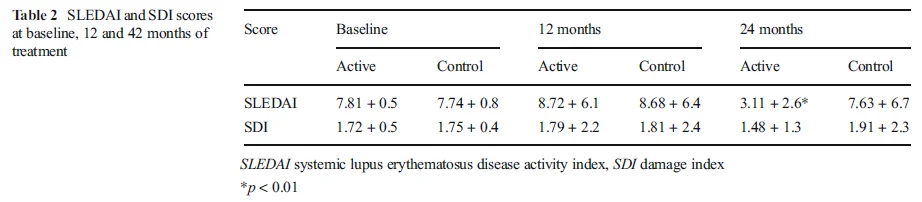
Comparison of scale assessment data showed that scale score outcomes were better in the ePROMs group, while the conventional group showed no change from baseline.
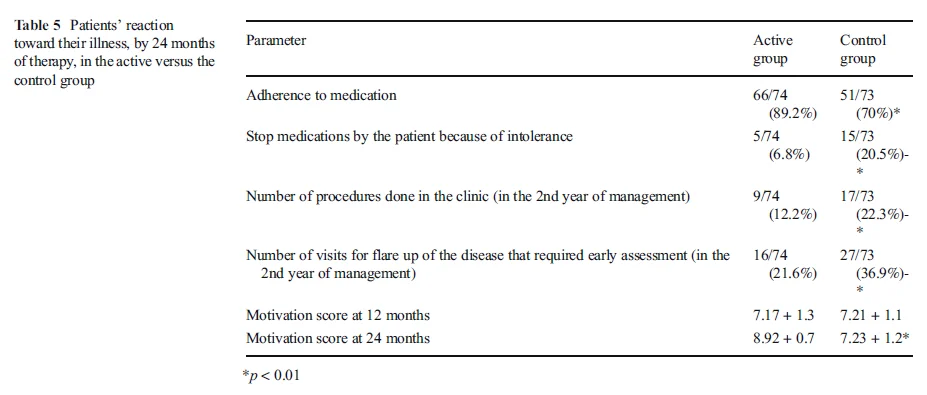
Comparison of patient reporting compliance showed that the PROMs group had improved medication adherence and fewer disease relapses compared with the conventional group.
EClinCloud has extensive project experience in clinical study eCOA projects. With a vast scale library and an experienced team of experts providing sponsors and CROs with one-stop scale services, we deliver comprehensive, high-quality support to help clients resolve scale-related issues in clinical trials faster and more effectively. You can contact us by sending a direct message or by scanning the QR code below to submit your inquiry.
EClinCloud is a technology company focused on clinical R&D. It provides an integrated, interconnected all-in-one cloud platform for clinical trials (including solutions such as scale design, scale copyright management, linguistic validation, rater training, and data quality analysis across technology products and offerings such as eCOA, CTMS, eTMF, EDC, RTSM, and RM) as well as clinical trial endpoint assessment technologies across therapeutic areas (including central nervous system, ophthalmology, and others). Combining frontier technology with life-sciences data, EClinCloud is building a globally leading, "patient-centric" SaaS cloud platform for clinical evidence support to help domestic and international pharmaceutical companies and research institutions improve R&D efficiency, accelerate the market launch of drugs and medical devices, and benefit countless patients.