Growing Through Learning | EClinCloud Internal Training Session

Source: EClinCloud. Author: EClinCloud.



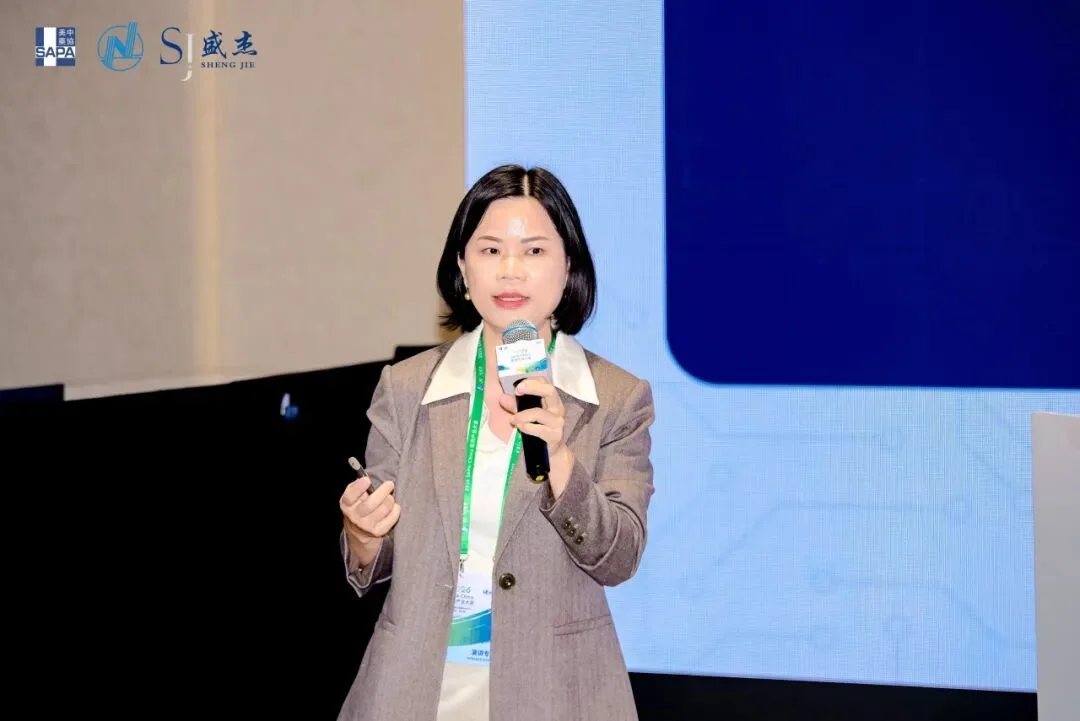
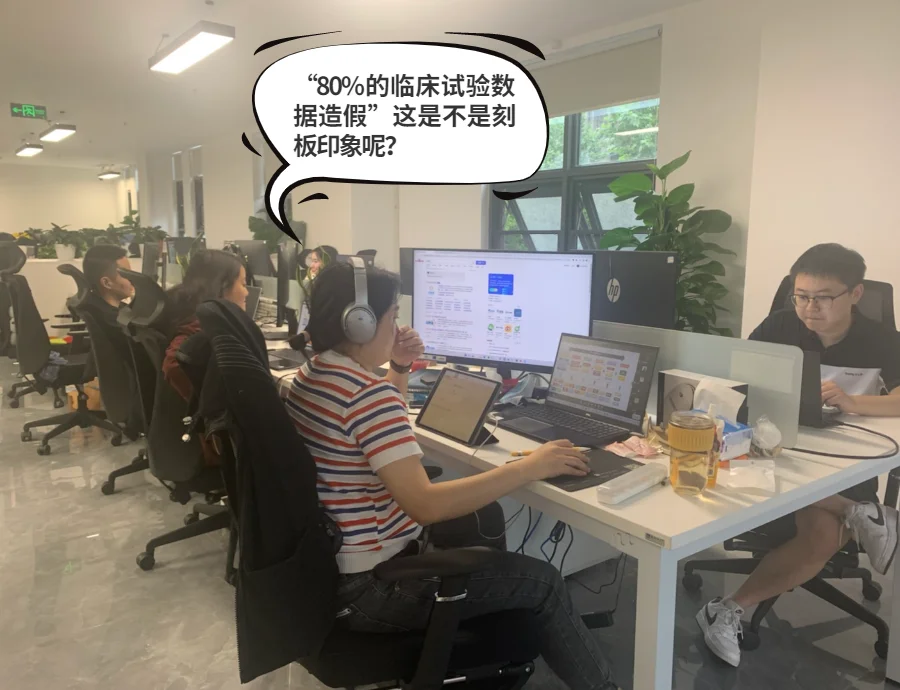
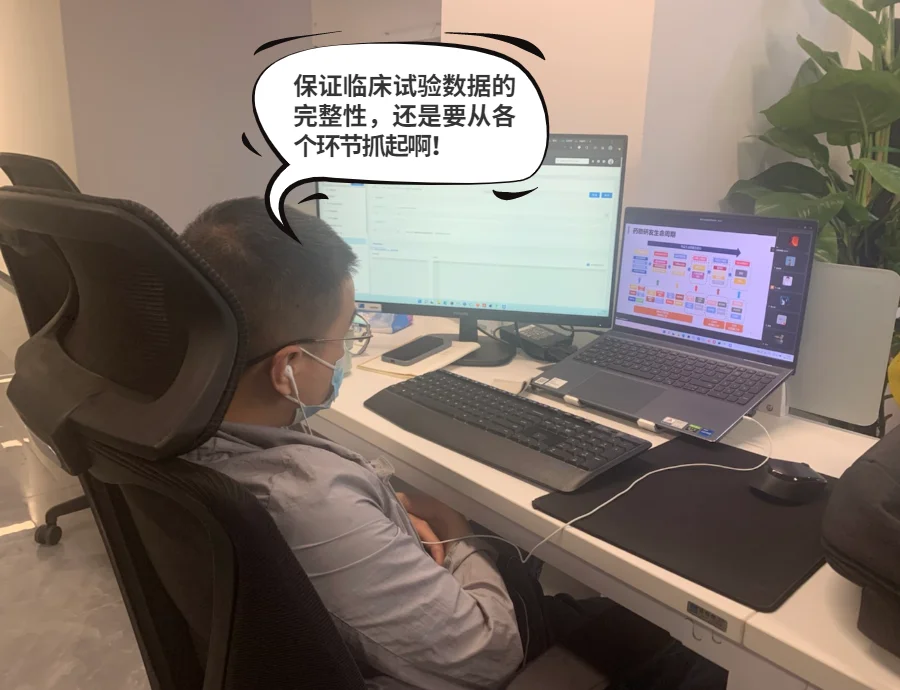
Recently, EClinCloud held an internal training session on drug clinical trials, with more than a hundred colleagues across Shenzhen, Shanghai, Beijing, and Chengdu participating remotely.
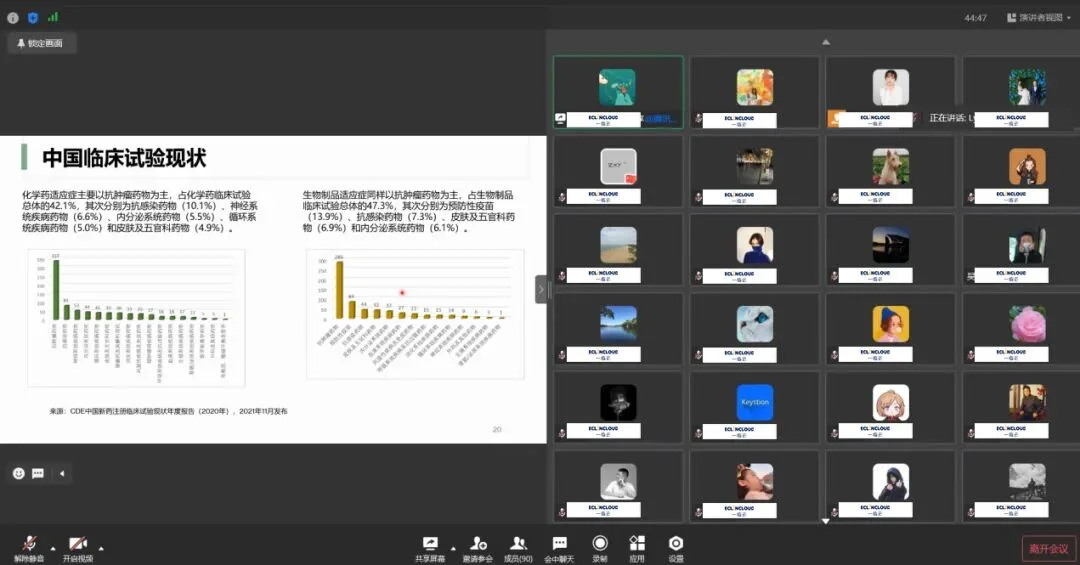
As a technology company serving the clinical trials industry, while focusing on technological advancement, we are also continuously strengthening our internal team members' expertise in the clinical trials field to better serve sponsors, pharmaceutical companies, researchers, and patients.
Throughout the training session, "clinical trial data compliance" was the issue colleagues cared about most.
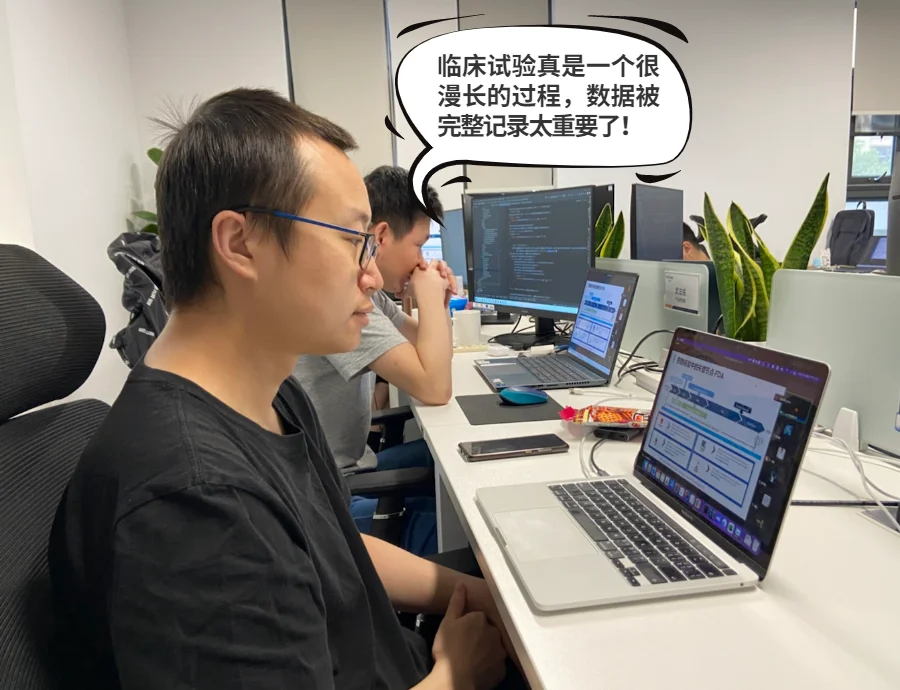
1
The Importance of Data Compliance
Before applying for drug registration and marketing approval, drug registration applicants must complete drug clinical trials in accordance with the requirements and statutory procedures of the national drug regulatory authority, and the data generated during drug clinical trials serve as an important basis for demonstrating a drug's safety and efficacy. Therefore, compliance of drug clinical trial data is of great significance for applicants to obtain a drug registration certificate and for whether a drug can be successfully marketed.
2
Current Status of Clinical Trial Data Compliance in China
An article published in the longstanding British medical journal BMJ stated that 80% of China's clinical trial data were not sufficiently authentic. Its origin traces back to "Document 722," released on July 22, 2015 by the China Food and Drug Administration (NMPA) and known in the industry as the "strictest data inspection requirement in history". The inspection described in "Document 722" covered the stages of new drug R&D most prone to falsification. Ultimately, over 80% of 1622 new drug applications were affected by "Document 722" and consequently withdrawn.
However, "not authentic" here more accurately means that clinical trials had a certain degree of data quality issues, including data falsification, non-standardized data, and the like.
Yet are non-standardized or falsified drug clinical data always caused by companies? A deputy to the National People's Congress noted that the causes of falsification and non-compliance in drug clinical trial data are, on the one hand, that China's current legal and regulatory framework governing drug clinical trial oversight is not yet sufficiently comprehensive, and on the other hand, that the number of drug clinical trial institutions is too small and severely mismatched with the number of clinical trial projects that need to be conducted each year, leaving clinical trial institutions overburdened and affecting the quality and compliance of clinical trials.
3
How Can Data Authenticity and Compliance Be Ensured?
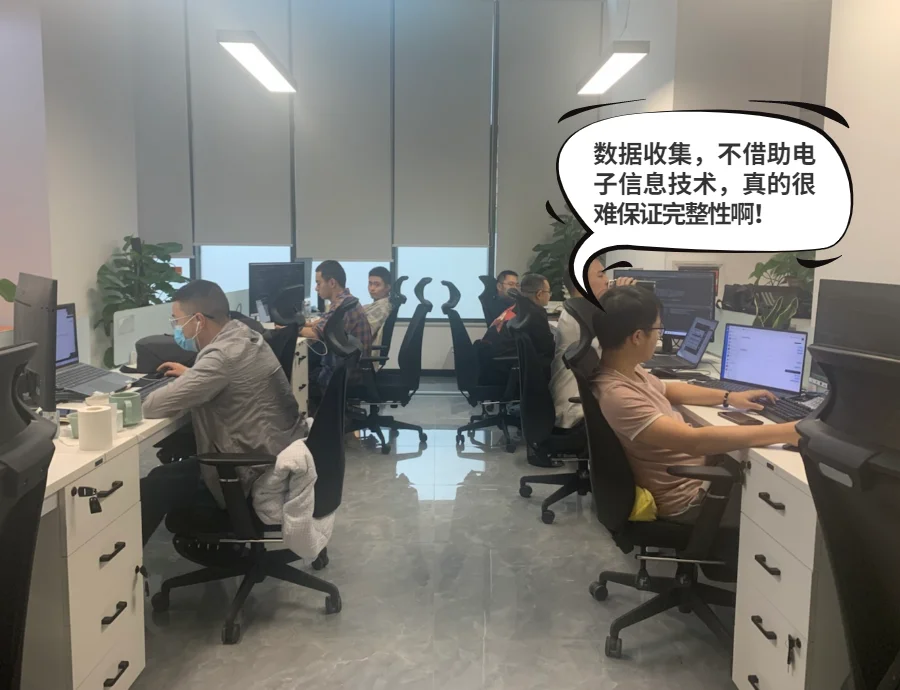
At present, the vast majority of domestic sponsors and research teams still use traditional methods to collect and record data—namely, recording data manually and archiving data in paper files. With this method of recording, data reliability is low and data accuracy cannot be guaranteed.
Using electronic information technology to establish drug clinical trial databases and improve data recording and collection processes is an essential path to ensuring data authenticity and compliance.
For example, an eTMF (electronic Trial Master File management) system can be used to store, manage, and track the timely collection of clinical trial documents, ensuring that clinical trial files are complete, timely, and accurate. The system provides timely document creation, QC, and approval workflows, thereby standardizing the digital management of clinical trial documents and avoiding issues such as missing or non-conforming files.
As another example, using an eCOA (electronic clinical outcome assessment) system enables detailed, accurate, and real-time collection of data and reports from clinicians, patients, non-clinician observers, or performance-based assessments, avoiding inauthentic data recording.
In addition to focusing on "data compliance" in drug clinical trials, this training also covered multiple topics such as an overview of drug R&D and the development of drug clinical trials. Through this training, participants gained a better understanding of knowledge related to the clinical trials industry.
| EClinCloud |
EClinCloud provides an integrated, all-in-one cloud platform (including CTMS, eTMF, EDC, RTSM, eCOA, eConsent, and other solutions, as well as consulting services such as scale management, linguistic validation, rater training, study build and configuration, and data quality analysis) and clinical trial endpoint assessment technologies across therapeutic areas (including oncology, neurology, cardiology, pulmonology, dermatology, and others). By combining cutting-edge technology with life sciences data to build a globally leading, "patient-centric" SaaS cloud platform supporting clinical evidence, EClinCloud helps domestic and international pharmaceutical companies and research institutions improve R&D efficiency, accelerate the launch of drugs and medical devices, and benefit countless patients.