Clinical Trials | TMF Awaits an Upgrade
Source: EClinCloud. Author: EClinCloud.

Clinical trials are an indispensable part of drug R&D. Increasingly, clinical trials are conducted around the world, with many individual trials even running simultaneously across different regions. Establishing a secure data management system therefore helps pharmaceutical companies gain market access more effectively. To keep sponsors and clinical research operations organized and compliant with regulatory requirements, the Trial Master File (TMF) was introduced.
►►►
Definition of TMF Documents
Encompassing all relevant documents generated during a clinical trial, the TMF represents a set of standardized operational management practices applied to materials from drug clinical trials in accordance with ICH-GCP regulations and company SOPs. A complete Trial Master File should be able to fully reconstruct the conduct of the clinical trial. The existence of the Trial Master File demonstrates the reproducibility of data collection and carries scientific value.
►►►
Electronic eTMF
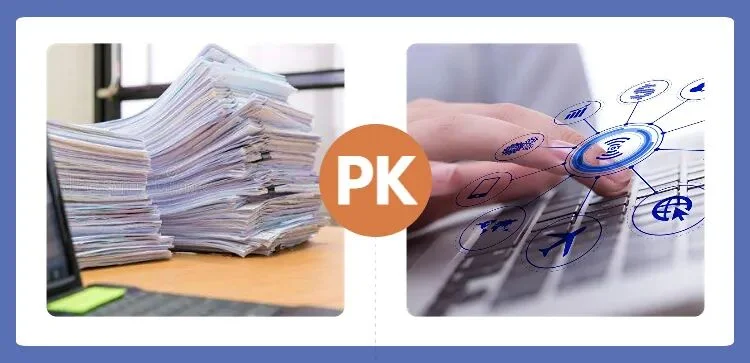
In China's drug clinical trials, document recording as a whole has still not moved away from paper, with nearly 90% of clinical trial processes still relying on paper submissions and paper-based review.
As clinical trials are conducted globally, organizing the TMF has become more complex. To do the job well, one must first have the right tools.
Thanks to the steady maturation of digital technologies, an electronic TMF—eTMF—is a better option. With the transition from paper submissions to electronic regulatory submissions, the eTMF (electronic Trial Master File) management system has also become the most widely used clinical research information system after EDC and CTMS.
Developed around actual clinical research workflows, eTMF is a professional electronic document management system used to store, manage, and track the timely collection of clinical trial documents, ensuring that clinical trial documents are complete, timely, and accurate. The system provides timely document creation, QC, and approval workflows to standardize the digital management of clinical trial documents, prevent issues such as missing or non-conforming documents, and thereby reduce risks during drug regulatory filing and review.
►►►
What Core Capabilities Does a Quality eTMF System Have?
EClinCloud's eTMF system is built on a SaaS cloud platform for clinical evidence support and is a key element in integrating clinical research processes. It can integrate seamlessly with systems such as CTMS and EDC, allowing data to be auto-populated and reducing duplicate manual data entry, without requiring re-verification of data, improving data accuracy, and further accelerating trial progress.
1. Automated document naming: After drag-and-drop upload of single or batch documents, the system applies standardized naming to the documents, avoiding confusion caused by different users naming documents inconsistently as well as the time consumption of manual naming, making it easier to locate documents quickly and accurately later and to better prepare for inspections.
2. Remote access support: With remote document review and approval capabilities and geographically unrestricted access, it provides a single, secure platform for study sites, sponsors, and CROs, strengthening communication and collaboration among all three parties, ensuring adherence to all standard operating procedures, and enabling required documents to be prepared in the proper manner and on time for seamless collaboration.
3. Intelligent identification of abnormal documents: Supports intelligent recognition of document content, automatically detects and counts missing documents, automatically checks document completeness, and identifies document quality issues promptly.
4. Real-time filing progress tracking: Features an intuitive workflow and visual, real-time monitoring of document status and progress. Users can view not only overall study filing progress, but also progress across different levels for a specific study, country, or study site, helping project managers follow up on document filing rates in real time.
5. Real-time inspection readiness: Monitors and manages study documents in real time, ensures accurate reporting, tracks and logs all document and system activities to support audits and inspections with ease, and supports remote monitoring, audits, and related activities.
6. Flexible folder structure configuration: EClinCloud's eTMF allows sections to be added or removed as needed for different therapeutic areas or study requirements, enabling flexible configuration to support a wide range of clinical trials.
In the future, pharmaceutical companies will improve efficiency across every stage of drug R&D based on their respective financial strength, business resolve, and capacity for innovation. Data management is the top priority among all these stages, and eTMF document management is a major trend. Meanwhile, technological advancement also drives EClinCloud to continuously iterate on its products and develop more efficient solutions, providing sponsors and investigators with higher-quality products and more comprehensive services.
| EClinCloud |
EClinCloud provides an integrated, all-in-one cloud platform (including solutions such as CTMS, eTMF, EDC, RTSM, eCOA, and eConsent, as well as consulting services such as scale management, linguistic validation, rater training, study build and configuration, and data quality analysis) along with clinical trial endpoint assessment technologies across therapeutic areas (including oncology, neurology, cardiology, pulmonology, and dermatology). Combining cutting-edge technology with life sciences data to build a globally leading, patient-centric SaaS cloud platform for clinical evidence support, it helps domestic and international pharmaceutical companies and research institutions improve R&D efficiency, accelerate the market launch of drugs/devices, and benefit countless patients.