Clinical Trial Digitization: eCOA Is the Prevailing Trend
Source: EClinCloud. Author: EClinCloud.


Because medicine is an essential need for human health, the pharmaceutical industry has never stopped advancing, continually driving drug research and development at global pharmaceutical companies. As R&D workflows have evolved and industry regulation has become progressively standardized, drug development has come to be characterized by high complexity, heavy investment, and long timelines.
The Importance of COA in Clinical Trials
Clinical trials are a required step in drug development before a product can be marketed and sold, and they are also the longest stage. In brief, drug clinical trials evaluate a drug's efficacy, safety, and related properties to assess whether it can be marketed for use in a specific population.
When conducting clinical trials, collecting and analyzing data requires the use of COA as a tool—a critical component of the process.
COA includes four types
Swipe left or right to view
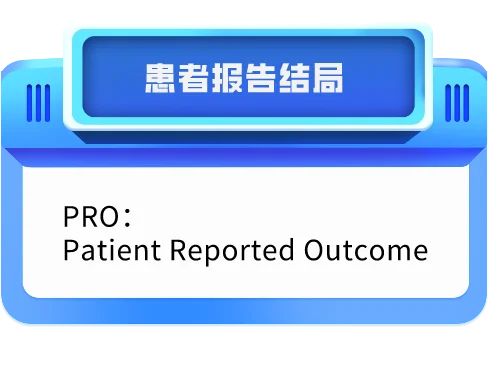
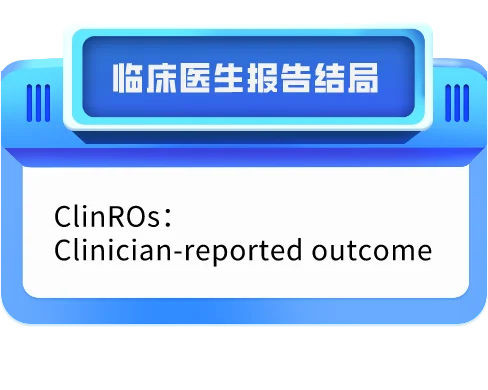
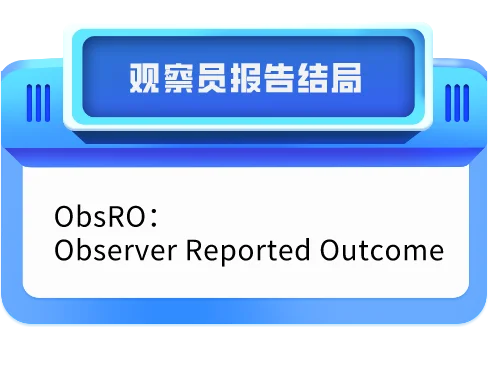
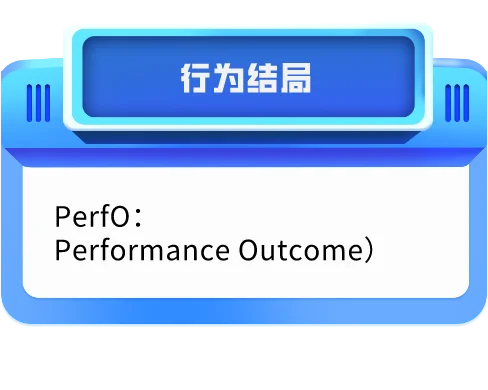
In plain terms, PRO (Patient-Reported Outcome) consists of data from the patient on medication use, reactions, and similar experiences, representing purely subjective data originating from the patient; ClinRO (Clinician-Reported Outcome) consists of data recorded by clinicians through questioning; ObsRO (Observer-Reported Outcome) consists of data from a third-party observer (for example, when a child cannot express feelings independently and data must be obtained through a parent's observations, this is known as an observer-reported outcome); and PerfO (Performance Outcome) consists of objective human data recorded by electronic devices.
In recent years, the entire healthcare industry has been shifting toward a "patient-centered" value system. To better serve patients, pharmaceutical companies have invested substantial effort before, during, and after clinical trials in listening to, adopting, and implementing patient input. In China, the 2021 "Guiding Principles for the Use of Patient-Reported Outcomes in Drug Clinical Trials (Trial)" noted that clinical outcome assessment (COA), and patient-reported outcome (PRO) in particular, can reflect patients' experiences and is an important component of patient-centered drug development.
Digitizing Clinical Trials: A Wide Gap Between China and Overseas
According to data in the "White Paper on Patient-Centricity and Virtual Technology Amid COVID-19" released by the Society for Clinical Research Sites (SCRS) in December 2020, eCOA and ePRO, as electronic clinical trial tools, are widely adopted overseas, with clinical trial digitization far ahead of China. Meanwhile, the vast majority of sponsors and research teams in China still use traditional methods to collect and record data—namely, manual data recording and paper-based data archiving.
Under this recording approach in China, data reliability is low, collecting and storing data consumes substantial time and labor costs, and data accuracy cannot be guaranteed. For example, once patients receive their medication, there is no way to ensure whether they take it at the prescribed times or complete medication feedback promptly. On the other hand, once research teams receive patients' paper documents, securely and completely preserving those paper records is also quite time- and labor-intensive.

Paper records cannot ensure that patients complete feedback on time
Trends in Clinical Trial Digitization in China:
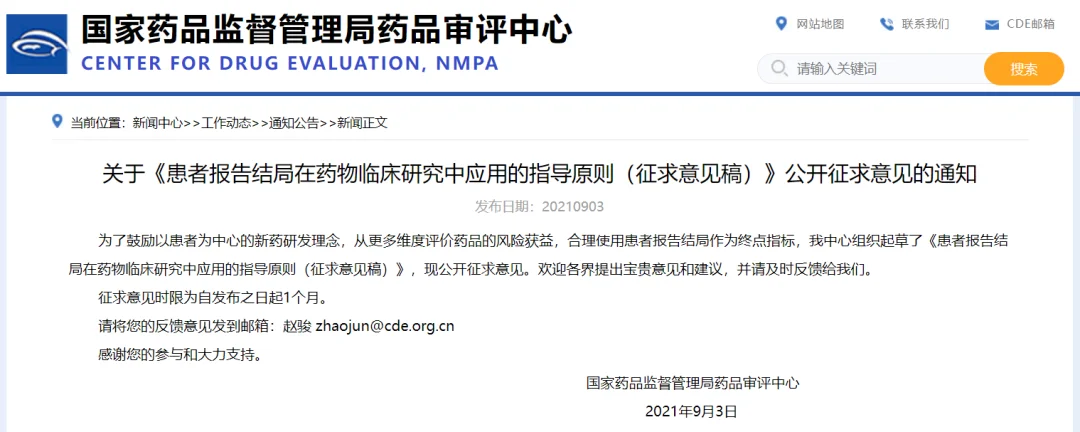
To encourage a patient-centered approach to new drug R&D, evaluate drug risks and benefits across more dimensions, and appropriately use patient-reported outcomes as endpoints, on September 3, 2021, the Center for Drug Evaluation (CDE) of the National Medical Products Administration (NMPA) issued a public consultation on the "Guiding Principles for the Application of Patient-Reported Outcomes in Drug Clinical Research (Draft for Comment)", which clarified standards for the use of electronic patient-reported outcomes (ePRO). The standards state that "compared with paper PRO, ePRO has clear advantages in the accuracy, completeness, efficiency, real-time capability, flexibility, compliance, security, and patient privacy protection of data collection." They also detailed several relevant principles for investigators when using ePRO—including management permissions for source data accuracy and authenticity, data verification, data retention, and data backup—providing important guidance for the use of ePRO and eCOA tools.
Backed by technological and policy support, clinical trials in China are steadily accelerating toward an electronic era. Against this post-pandemic backdrop, COA is also undergoing a shift from paper to electronic formats.
Electronic "eCOA"
First, an eCOA system can automatically remind patients to take their medication and complete their diary cards to ensure timely data collection. This avoids situations where patients, out of forgetfulness or inconvenience, fill in all their daily symptom records at once the day before a follow-up visit, leading to disorganized and inaccurate data.
Second, with eCOA, patients no longer need to keep paper diary cards—they can simply complete them on a mobile phone, and researchers can receive the latest updates from patients right away.
Third, by monitoring patients' physical condition through smart devices, eCOA can ensure that the collected data are more objective.
Fourth, data in eCOA can be stored completely in the back end, making data records more reliable so that records are not easily lost.
Fifth, eCOA can be used not only to collect ePRO, eClinRO, eObsRO, and ePerfO, but also to collect custom diaries, such as adverse reactions (SAE), medication logs, and out-of-hospital examination reports;
In short, using an eCOA system improves patient compliance through system settings: patients receive daily completion reminders from the system and can avoid certain errors during entry, improving entry accuracy and the completeness of the collected data. Moreover, amid the widespread COVID-19 pandemic, eCOA's remote visit feature enables better collection of patients' true experiences and yields higher-quality patient data.
Advantages of EClinCloud eCOA
· Designing an optimal electronic entry solution based on the medical team's scientific considerations
· End-to-end data collection and management
· Simple and easy-to-use patient interface with safeguarded data security
· Customized training and support content on the patient side to improve compliance
· Customized devices and unified management on the investigator side
· Clear subject management on the investigator side
· Rich scoring capabilities on the investigator side
· Validated electronic signatures on the investigator side
· Real-time data monitoring and analysis
· Robust data security