Decentralized Clinical Trials (DCT) Will Become an Important Direction in Clinical Research

Source: EClinCloud. Author: eClinCloud.
Click the "blue text" above to follow us
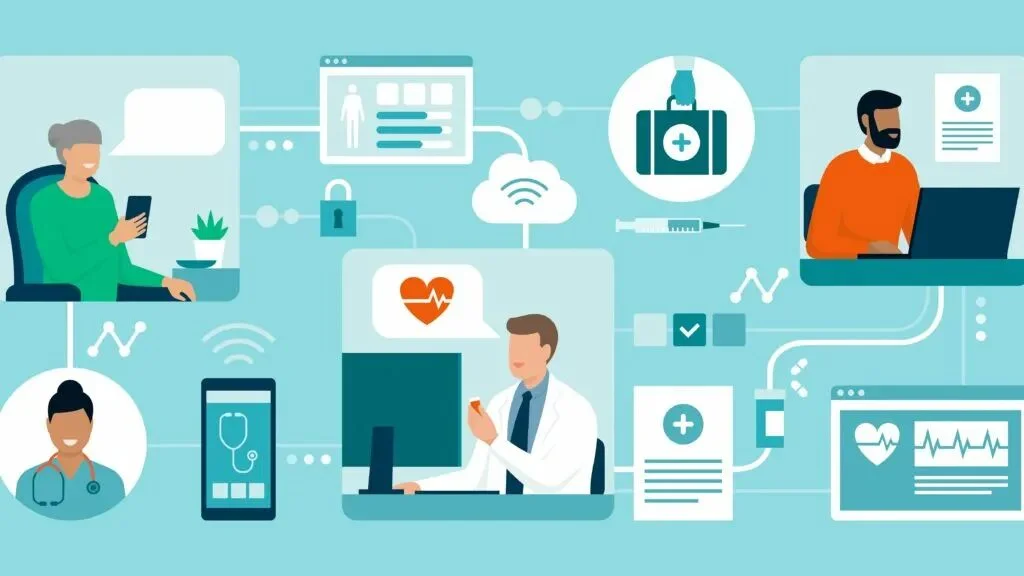
In recent years, with the development of digital technologies and smart devices, digital technology has rapidly gained prominence in healthcare, and the advantages of decentralized clinical trials (DCT, also known as remote intelligent clinical trials) have drawn broad attention.
At the beginning of 2020, the global COVID-19 pandemic posed severe challenges to the practical conduct of traditional clinical trials, forcing many clinical trials of new drugs to be postponed or suspended, interrupting study medication for participants, and severely impacting R&D progress. China's regulatory authorities promptly drafted and issued the "Guiding Principles for the Management of Clinical Trials During the COVID-19 Pandemic (Trial)".
According to the guiding principles, during the pandemic, trials were permitted to explore decentralized clinical trial methods, leveraging intelligent clinical trial management platforms and remote communication technologies to conduct patient-centric clinical trials.
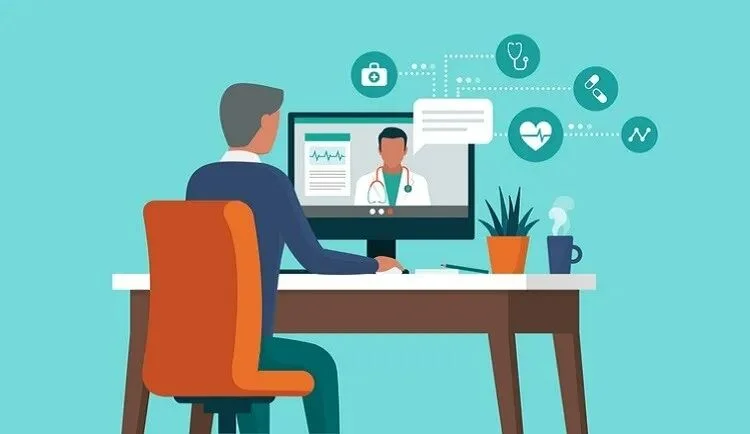
On July 2, 2021, the "Guiding Principles for Clinical Value-Oriented Clinical Research and Development of Antitumor Drugs (Draft for Comment)", issued by the Center for Drug Evaluation (CDE) of the National Medical Products Administration (NMPA), explicitly stated:
“
During the conduct of clinical trials, while ensuring data quality, the burden on participants should be reduced as much as possible. ... Applicants may also consider incorporating Decentralized Clinical Trials (DCT) design elements into clinical trial designs.
Driven by the COVID-19 pandemic and digital technology innovation,
Decentralized clinical trials will become an important development direction for the industry

As the exclusive strategic partner of Signant Health in Greater China, EClinCloud is dedicated to the research and development of decentralized clinical technologies, focusing closely on the patient experience, adhering to a "patient-centric" approach, and using patient engagement to bring convenience to patients and benefit countless patients.
The Signant Health decentralized clinical trial platform is compatible across multiple devices and offers comprehensive platform capabilities: patient-facing recruitment, remote electronic informed consent, patient randomization, direct-to-patient drug supply, integrated telemedicine visit technology, mobile data capture via wearables and sensors, an internet-based communication platform, patient-reported outcomes (eCOA / ePRO), safety reporting, and remote monitoring.
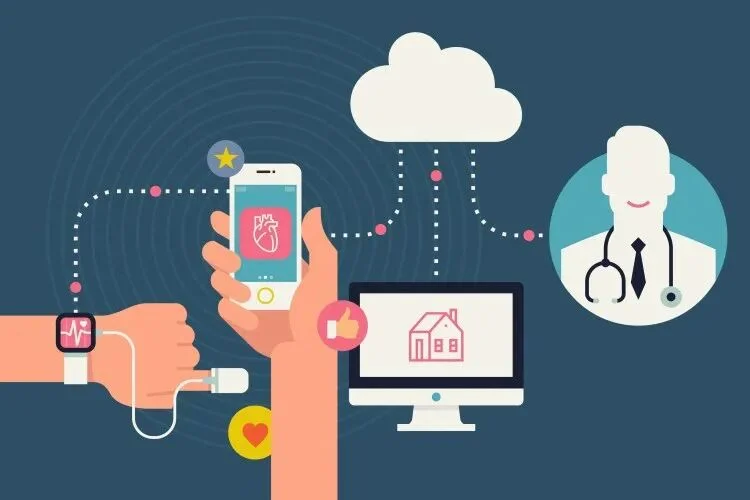
As a global leader in eCOA, Signant is backed by the industry's strongest operational infrastructure. It can be used for home- or study site-based ePRO, eClinRO, and eObsRO, as well as integrated wearable and sensor data collection. Users around the world can access the platform via mobile apps, provisioned devices, or the web. It supports any combination of provisioned devices or bring-your-own-device (BYOD) options; the mobile app solution is available on Android or iOS devices; and it can also integrate with clinical data systems such as EDC.
Signant's eCOA has enrolled over 960,000 participants globally, covering more than 900 trial sites across 59 countries and regions, and has been used in over 1785 clinical trials.


EClinCloud
Guided by the mission "bringing effective treatments to patients through technological innovation," EClinCloud is a healthcare and life sciences technology company rooted in China and serving the world. Through EClinCloud's end-to-end, seamlessly integrated unified platform (including scale management, linguistic validation, study design, eCOA, eConsent, EDC, CTMS, eTMF, and more) and precision medical evaluation systems across therapeutic areas (oncology, neurology, cardiology, pulmonology, dermatology, and more), EClinCloud builds a globally leading, "patient-centric" unified clinical evidence support SaaS cloud platform, helping domestic and international pharmaceutical companies and research institutions improve R&D efficiency, accelerate the market launch of drugs and medical devices, and benefit countless patients.