dTrial Pre-Conference Interview | The Future of Clinical Research Will Be Patient-Centric
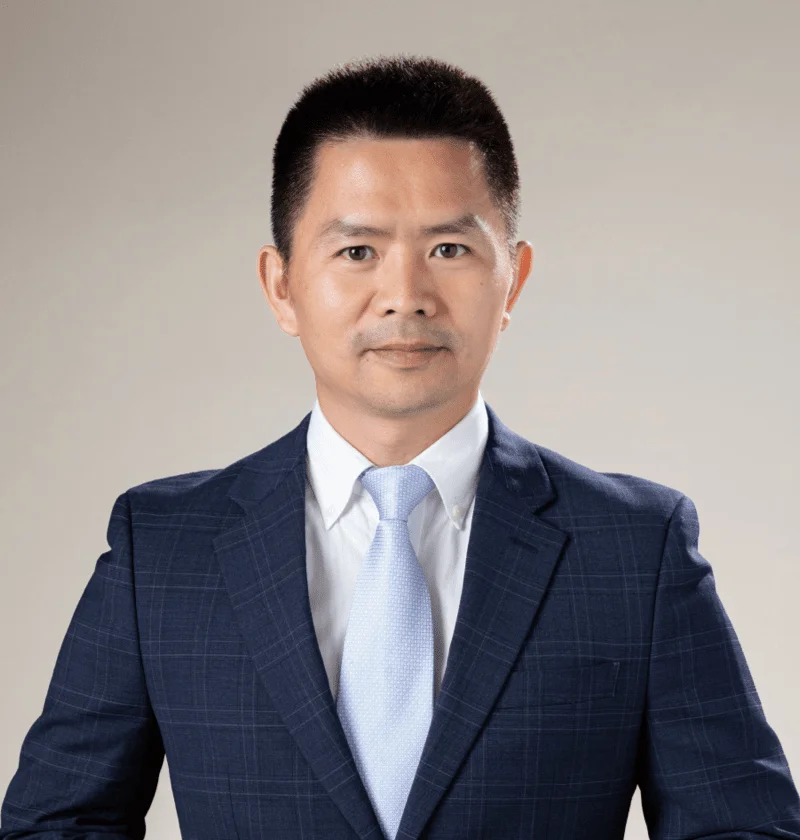
Source: EClinCloud. Author: EClinCloud.
Click the blue text above to follow us

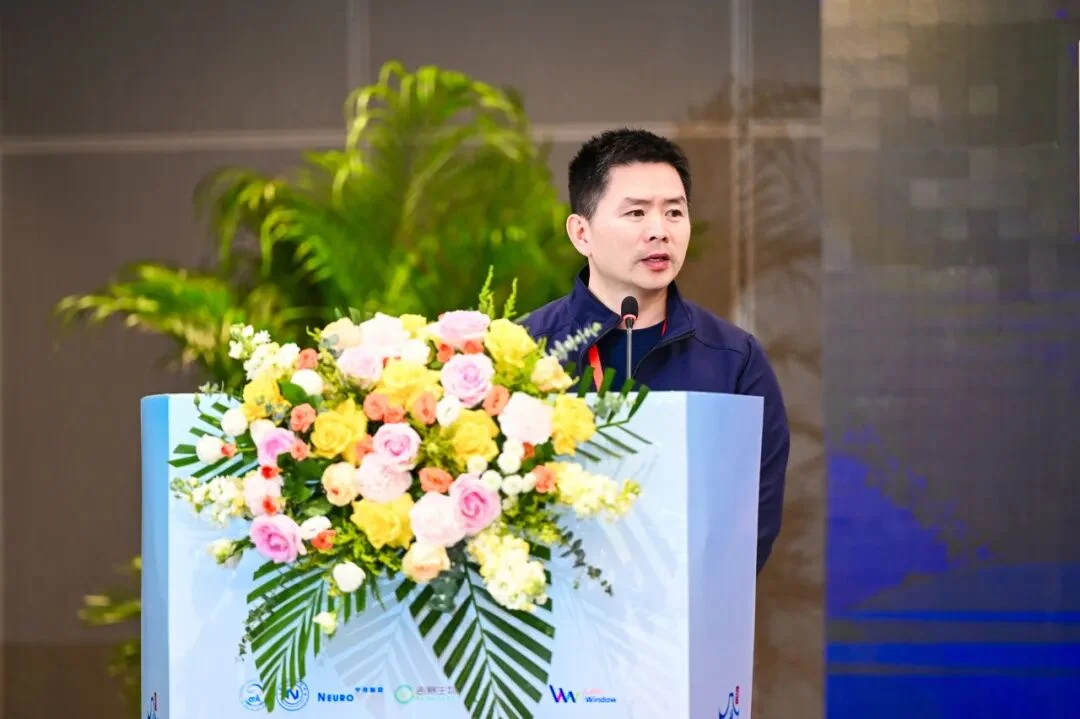
Has 15 years of experience in clinical research and is a domestic pioneer in applying new IT technologies to improve clinical trial quality and efficiency;
Prior to EClinCloud, served as Head of Asia-Pacific at Signant Health, leading rapid regional growth in eCOA, scale training, and related businesses;
Previously led the South, North, and Southwest China sales teams at Medidata, growing the business from zero to over 100 million in annual sales and earning multiple Medidata Chairman Club and President Club honors;
Previously served as a Sales Manager at Oracle HSGBU, pioneering the promotion of EDC, CTMS, Argus, and other software applications in China;
Previously worked as a software analyst at SAS and as a biostatistician at Parexel.

Question 1
As is widely known, many digital clinical trial technologies originated overseas. Dr. Qin, what challenges do foreign technologies and applications face when being implemented in China?
To be honest, foreign countries are indeed somewhat ahead of us in clinical research, which is naturally because the pharmaceutical industry abroad is more mature than ours. However, China's pharmaceutical industry as a whole has also been developing rapidly in recent years, catching up with overseas markets, and the same applies to new technologies and applications. My entire career has also been a process of continuously bringing these new technologies to China. In my view, implementing these new technologies in China may face the following challenges:
First, I think the biggest challenge comes from the maturity of our regulations. At present, it is not that our regulations are immature, but rather that the regulations themselves may need to adapt to the application of new technologies. Because these new technologies challenge certain existing practices or operational procedures to some extent, they prompt us to consider whether these approaches are permitted or compliant.
Second, judging from the hosting of the dTrial forum, our sponsors and CROs both have a very open mindset toward welcoming new technologies and applications. At the same time, however, there is also a relatively conservative side: they prefer to wait until explicit regulations are issued or until there is clear consensus that it is acceptable before adopting or implementing new technologies.
Third, from the participant perspective, as digital clinical trials develop, the setting for data collection will gradually shift from hospitals to participants' homes. How to ensure data quality without supervision and how to improve participant compliance with the protocol are also real challenges.
Question 2
Digital clinical trials are now both a trend and a major direction, and many adopters of new technologies in China are also experimenting with them. How do you view the timing for implementing digital clinical trials in China?
I believe that domestically we may indeed be slightly behind overseas markets in some new technologies, simply because our overall development started later. However, I have also observed that once a new technology is recognized by the industry in China and can improve our work efficiency, it can actually achieve rapid adoption—at a pace far faster than in other countries.
Regarding some of the new technologies everyone is talking about right now, such as electronic informed consent (eConsent) or decentralized clinical trials (DCT), I personally think they could see widespread adoption within two or three years and become very common in three to four years.
Of course, that depends on certain broad prerequisites—not only enforcement authorities, hospitals, and ethics committees, but in fact everyone is welcoming these new challenges with an open mindset, so I think it will happen very quickly. Naturally, this also requires technology companies like ours that provide new technologies to prepare in advance; it is also very important that your products and technology are well suited to actual needs.
Question 3
How do you view the compliance issues around future new technologies and applications, as well as their technical challenges and even IT development and implementation issues?
In fact, across the entire clinical trial field, in terms of technology itself, the adoption of advanced technology is not as widespread as in other industries, such as finance, retail, and e-commerce. Those industries have long had a great deal of technology in use, whereas ours remains a relatively conservative industry. Of course, this is related to the characteristics of our industry, because what we do is new drug R&D—a strictly regulated industry that involves human life and safety.
Personally, I think new technology is very important, but understanding the regulations and workflows of the entire industry is also very important—how you embed your new technology into them to improve efficiency is critical. The overarching premise is that such innovation must be carried out within what is permitted by regulations or GxP. Therefore, you cannot pursue so-called innovation in a completely disruptive manner out of thin air, because this is a strictly regulated industry.
Question 4
As a seasoned practitioner in digital clinical trials and also a new entrepreneur, Dr. Qin, how are you thinking about your positioning in digital and intelligent clinical trials going forward?
As an entrepreneur, I feel you need to be able to see the development trends three, five, or even ten years into the future, and plan accordingly in those areas.
First, in terms of product infrastructure and openness, we need to anticipate how trends will evolve five or ten years from now. For example, when designing our product architecture, in addition to being an integrated, interconnected system ourselves, we also want to have open interfaces and an open platform to connect with other external systems so we can exchange more information and avoid information silos.
Second, in understanding regulations, we also need to look at the trends. Take electronic signatures, for example: under current regulations, people may still lean toward paper signatures, but in reality, the regulations do not require you to use paper signatures—instead, they require that you can demonstrate the entire process complies with regulatory requirements. That gives you room to innovate.
Third, looking at the overall trend, future clinical research will definitely be patient-centered, so we will focus more of our development in that direction. In our existing products, we will adopt approaches that many people may not have used yet, such as knowledge graphs and AI-based Q&A, to improve user experience and increase users' understanding of the product. For another example, with our eCOA platform, we will also collaborate more deeply with experts across different therapeutic areas, because software technology is just a tool, whereas experts' deep understanding of the specific diseases and of the trials themselves is what truly matters—that is how we can better support drug development.
Question 5
Currently in the field of digital clinical trials, we hear a lot about ePRO and less about eCOA. As a seasoned practitioner in digital clinical trials, do you have some practical applications you could share with us?
Last year, before I started this company, when I was at Signant, we participated in a very large ePRO project in China. Previously, no one would have expected a sponsor to invest so heavily in this area or place such high importance on data coming from patients. The U.S. FDA is also advocating for future clinical research to be more patient-centered, collecting data directly from patients—including questionnaires or data collected via wearable devices—and these are likely to become development trends for us as well.
In China, quite a few companies have already begun using eCOA and similar products, and I believe there will be even more in the future. This also places high demands on technology companies like ours, because it is not just a simple data collection tool—it requires a detailed understanding of the entire complex workflow. Technologies for better preventing the leakage of private patient data, among other aspects, must also have solid implementation and solutions.
Question 6
At the dTrial forum, your company has a session on the application and practice of knowledge graph technology in intelligent clinical trials. Could you give us a preview of what new ideas you have regarding the application of knowledge graphs in intelligent clinical trials?
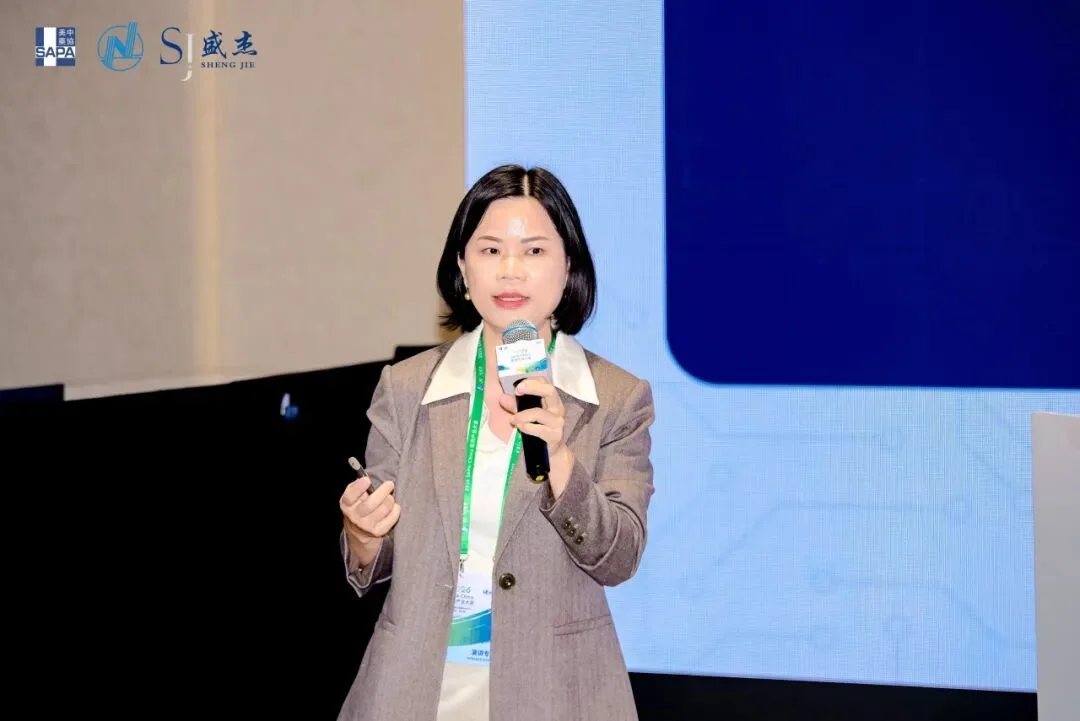
Our CTO, Mr. Wu, will present this section at the event. Each of our products embeds a chatbot-like Q&A feature. Through continuous self-learning, it works like a training assistant right beside you—you can ask it questions anytime and get answers, improving users' understanding of the product and their interaction with it. In fact, its underlying technology is a knowledge-graph-based product with self-learning capabilities.