Media Coverage | EClinCloud: What Enables Clinical Research to "Outrun Time"...
This article is from an interview report by Ningbo Talent (宁波人才).
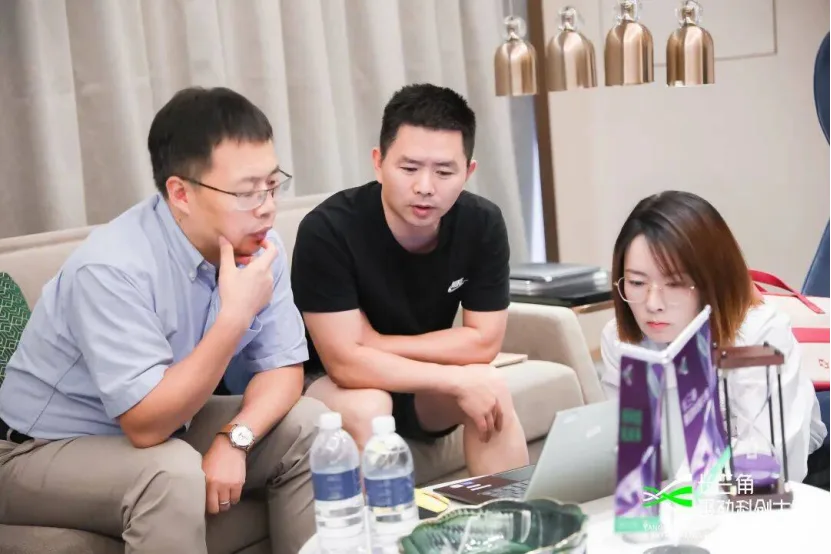
Center: EClinCloud CEO Qin Long
"Developing a new drug from R&D to market launch takes an average of 10 to 15 years and billions of dollars in investment, while drugs entering clinical trials have less than a 10% probability of ultimate approval." In EClinCloud's Ningbo office, Qin Long spoke with a note of reflection about these "harsh figures" of the pharmaceutical industry.
For him, this is not a cold, impersonal industry statistic, but a race for life where every second counts. Every day a clinical trial is delayed adds hundreds of thousands of dollars in costs for pharmaceutical companies, yet weighing even more heavily is the fact that countless patients are still waiting, looking toward new hope for treatment
...
A medical revolution slowed by
the "paper era"
Having worked in clinical research for nearly
20 years, Qin Long has experienced firsthand the difficult journey of China's pharmaceutical R&D from traditional models to digital transformation. In the past, clinical trials relied heavily on manual operations: research staff had to handwrite records in paper medical records and then enter them item by item into computer systems, a process that was inefficient and error-prone. A single missed report or a single data entry error could bring an entire project to a standstill.
Drug dispensing and inventory management also relied on staff reconciling paper ledgers by hand, involving cumbersome steps and substantial risk. These seemingly minor issues acted as invisible barriers, severely slowing down the timeline for bringing new drugs to market.
Before founding the company, Qin Long worked as a biostatistician at an international pharmaceutical company, where he saw firsthand how overseas peers achieved efficient and precise clinical management through advanced digital tools. He began to consider whether, building on international experience, new technologies could be introduced into clinical research to establish a fully independently developed intelligent system platform.
Coming to Ningbo:
Finding the Right Soil for "Acceleration"
In 2020, Qin Long, together with several senior industry experts, founded EClinCloud. Their goal was clear: to restructure the end-to-end clinical research process using AI and digital approaches, accelerating new drug R&D while reducing costs and improving efficiency.
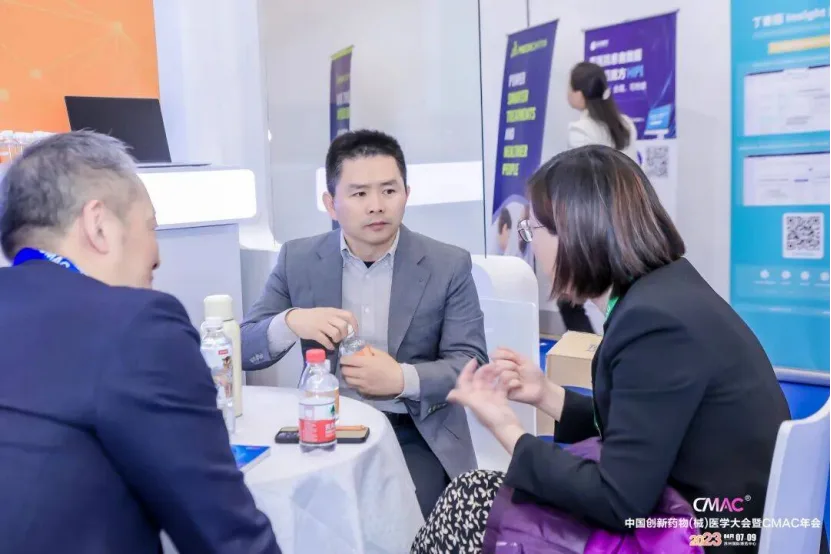
Qin Long's connection with Ningbo began at a Qianwan New Area
"investment and talent attraction" promotional event. Through detailed, professional briefings from investment promotion staff, he learned that Ningbo Qianwan New Area was actively bringing in artificial intelligence and digital healthcare projects and had also launched a "capital-driven talent attraction" policy to provide full support for high-tech enterprises.
Intrigued, he brought his team for an on-site visit. Unexpectedly, what greeted him was not only policy incentives, but also the city's all-around
"courteous treatment" of talent: government staff explained every support policy clearly, helped coordinate office site selection from start to finish, and proactively connected him with local pharmaceutical companies and investment institutions. Even more surprisingly, their understanding of the biopharmaceutical industry landscape was even more thorough than that of an "insider" like him.
"Ningbo is a place where we can focus on getting real work done with peace of mind." Soon, he made up his mind and relocated the headquarters to Ningbo.
In Ningbo, Entering the Development
"Fast Lane"
In February 2025, an AI model developed by the company won first place in an Alibaba Cloud Tianchi Lab benchmark competition. This model can automatically "pull" key information from large volumes of clinical trial reports—tasks that previously took 2 hours can now be completed in just 5 minutes with almost no errors, sharply improving data-processing efficiency.
That same year
in April, Qin Long entered the inaugural "AI Ningbo" Artificial Intelligence Empowering Industry Competition with the project and once again took home first prize. This achievement not only earned the company policy support, but also brought the "EClinCloud" name to the attention of more enterprises in Ningbo. Later, the company was also selected for the "Zhejiang Top 100 Seed Unicorn Enterprises."
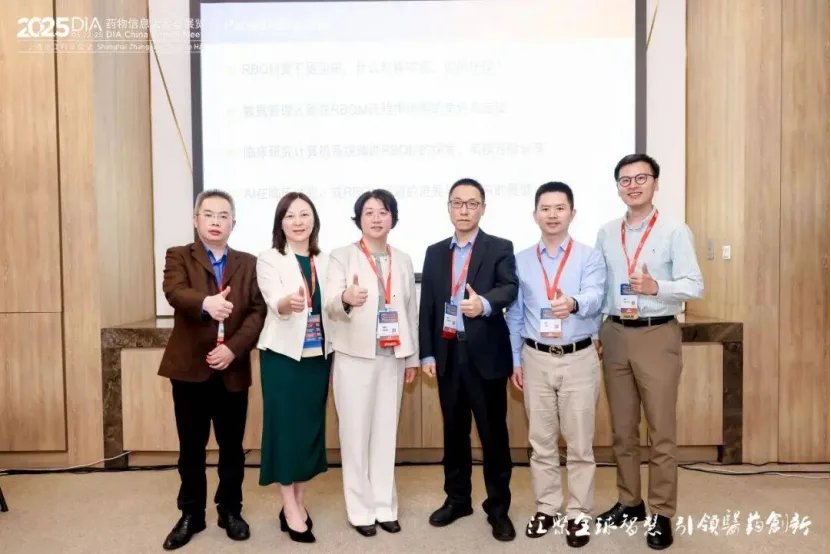
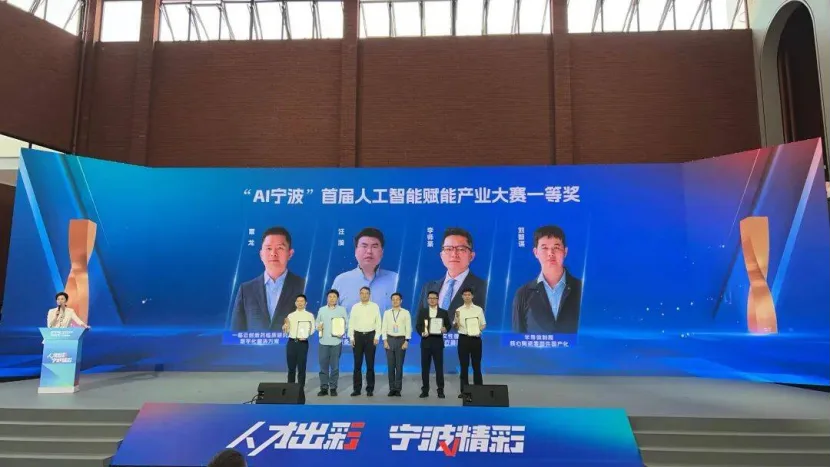 Qin Long participating in the first "AI Ningbo" AI-Empowered Industry Competition
What he found most heartwarming was Ningbo's emphasis on talent, reflected not only in policy and financial support, but also in attentive services to help solve practical problems for companies. When the team faced a shortage of senior AI talent, the government proactively built a global talent recruitment network to help connect with PhDs from top universities worldwide, such as Harvard, Oxford, and Cambridge; dedicated interpreters were also arranged to accompany them during interviews.
With this support, EClinCloud's growth hit "fast-forward," rapidly building a highly skilled technical team in Ningbo dedicated to refining a smarter, more efficient clinical research platform. To date, EClinCloud has served approximately 200 innovative pharmaceutical companies and related organizations and completed hundreds of projects in total, with operations spanning more than 10 countries and regions.
"Ningbo gave us the foundation to grow, and we also hope to give back to the city's biopharmaceutical industry." Next, he plans to deepen collaboration with universities in Zhejiang and Ningbo to establish an interdisciplinary "medicine + technology" talent-training mechanism and advance industry-education integration, bringing more young people into this endeavor to "accelerate new drug development."
In his view, this is not only work he is passionate about, but also something that has allowed him to realize his life's value.
"In one's lifetime, if what you do has tremendous value to society while also fulfilling your own dream, why not give it everything you have?"
Inside EClinCloud's offices, the sound of typing rises and falls. In front of their screens, engineers focus intently on debugging systems and tuning algorithms, all to make workflows just a little faster. Behind those focused figures lies a shared wish: to put new drugs into patients' hands sooner, and let sunlight reach sooner into the hours of waiting
...