CMAC Recap | Charting Digital Clinical Research Practices with AI
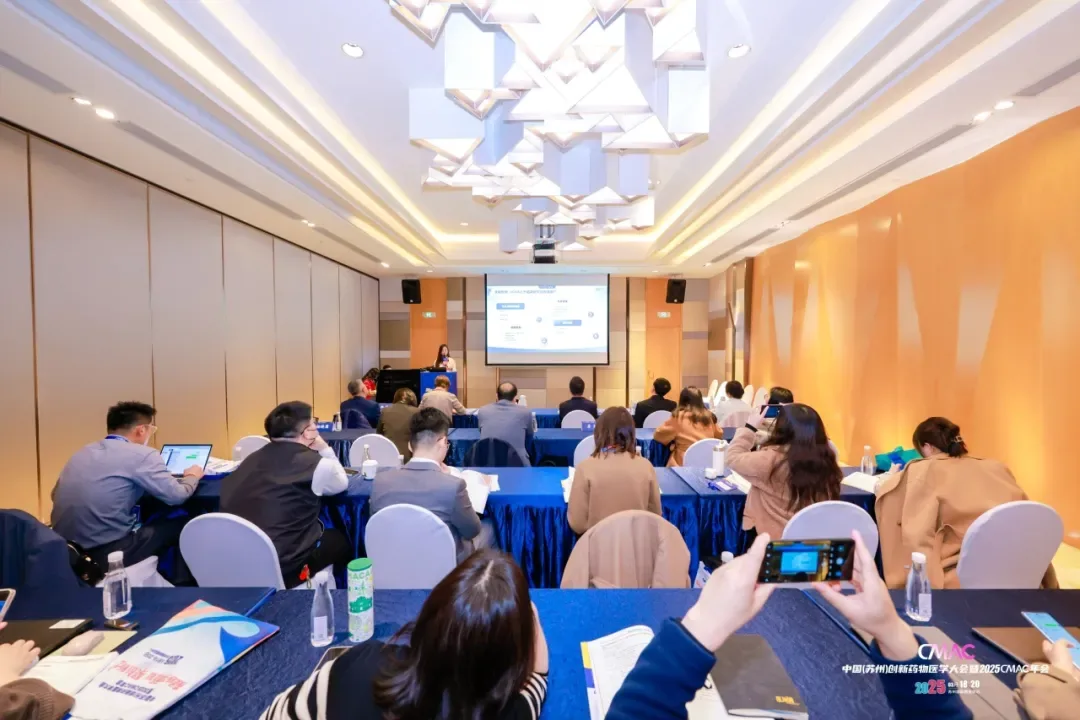
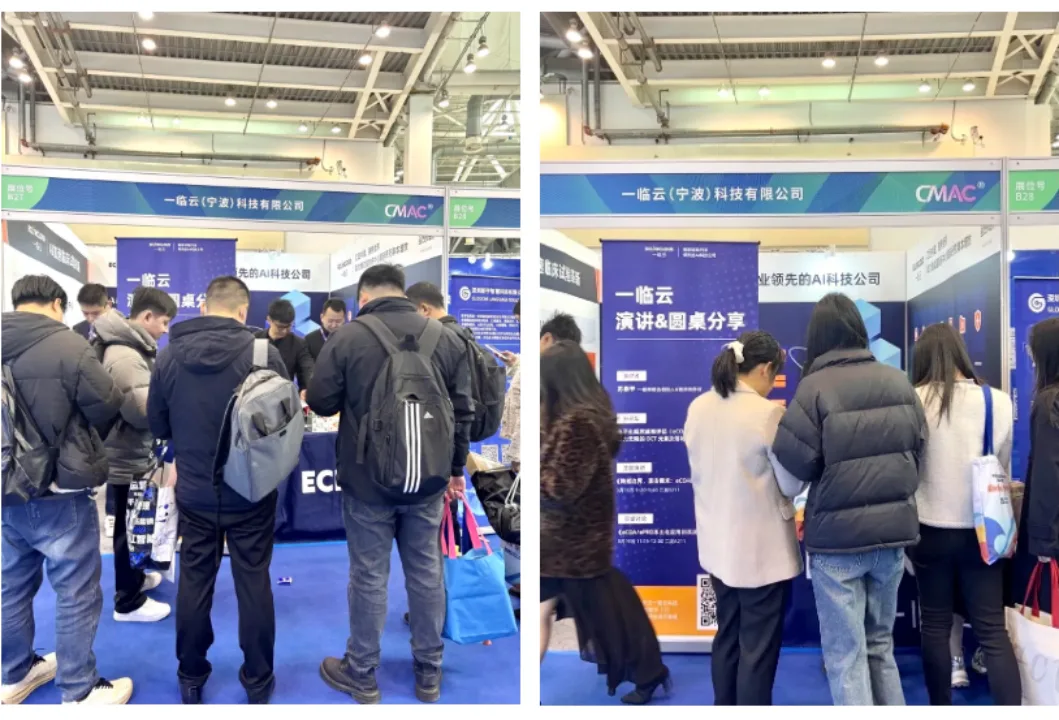
From March 18 to 20, the 2025 CMAC Annual Conference was successfully held in Suzhou, where EClinCloud presented its AI-driven digital clinical research solutions.
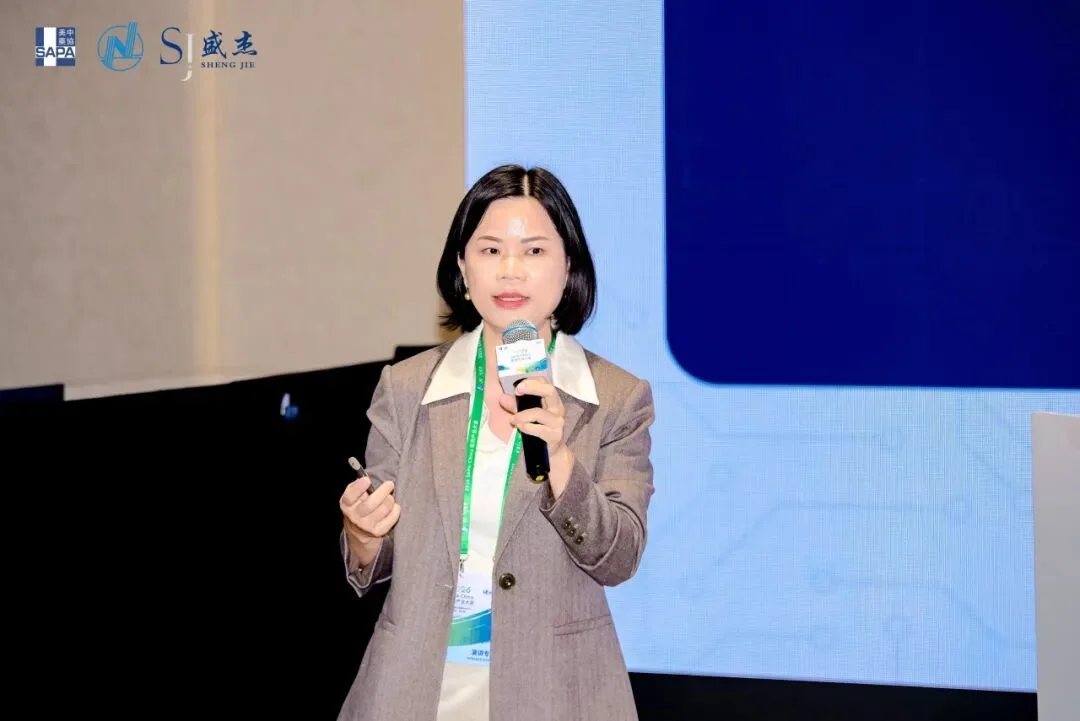
At this conference, EClinCloud Co-Founder & Chief Business Officer Su Quanyu was invited to deliver a keynote speech titled "Crossing Boundaries, Addressing Needs: Enabling Clinical Trials with eCOA," offering an accessible exploration of the regulatory requirements and application potential of AI + eCOA—regulations set the boundaries, while the application of AI drives innovation within the compliance framework to push those boundaries further.

01 Boundaries: eCOA Policy Direction
Overview of International Regulatory Developments
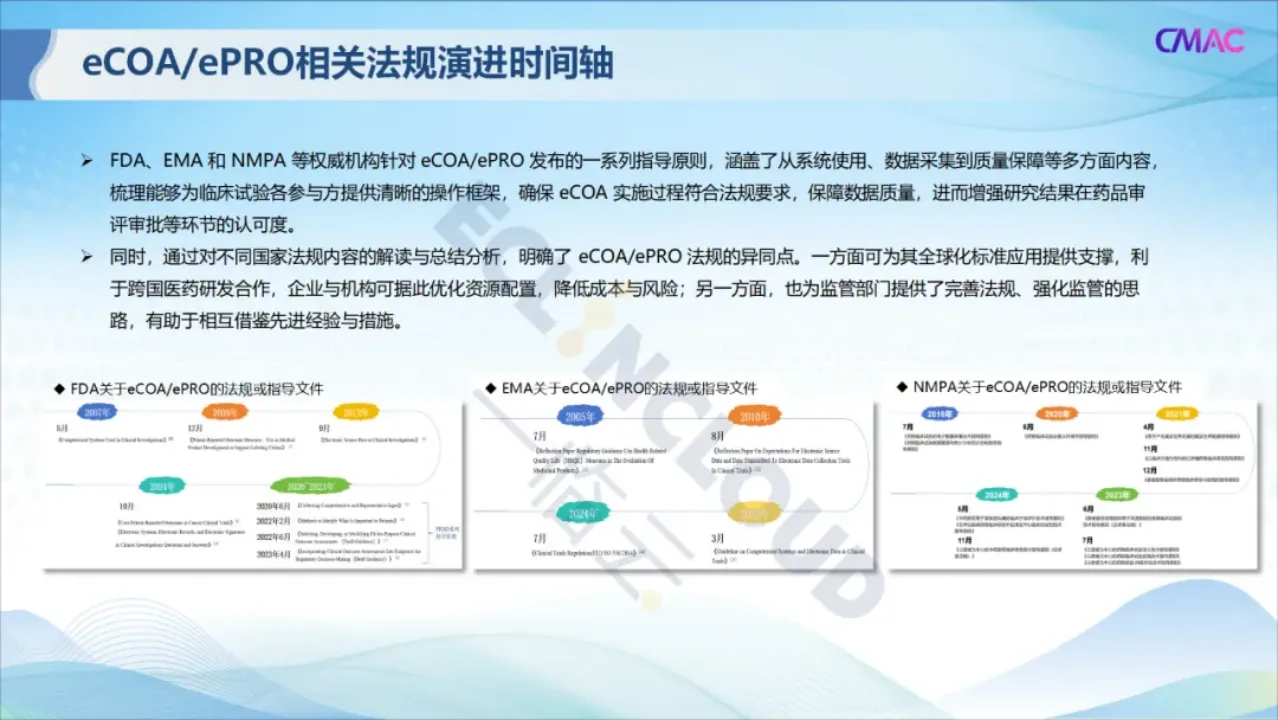
This presentation systematically analyzes a series of guidance documents on eCOA/ePRO from regulatory agencies such as the FDA, EMA, and NMPA, summarizing common requirements and regional regulatory differences. Regulatory authorities across countries explicitly support and encourage the use of eCOA systems in clinical trials, emphasizing the importance of efficient data collection and standardized management for improving clinical trial quality.
Validation of Academic Research Value
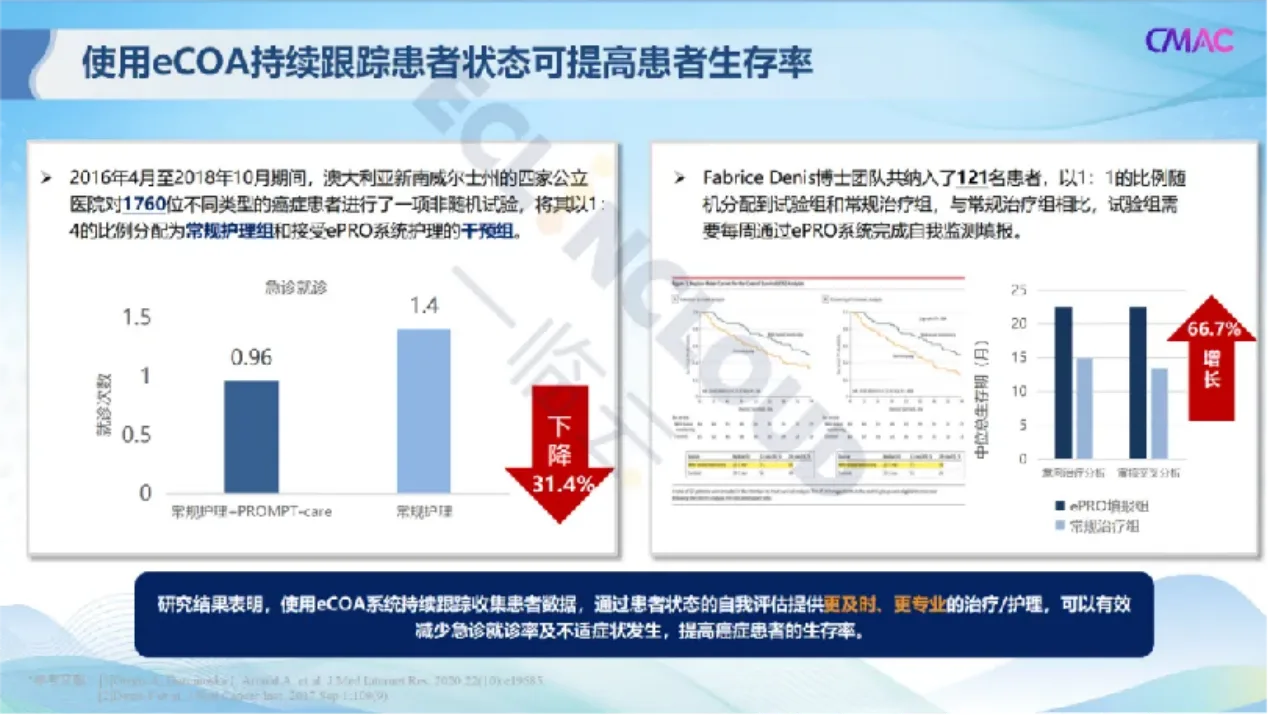
Based on multiple literature searches and systematic analyses, it summarizes that
the clinical value of eCOA is primarily reflected in areas such as improving trial participant compliance and experience, enhancing data quality, standardizing patient management, and reducing costs while improving efficiency; it further explores the value eCOA can provide in clinical practice through decentralized remote visits, trial participant management, and more complete, accurate, timely, and compliant study data.
02 Crossing Boundaries: AI Accelerates Intelligent Upgrades
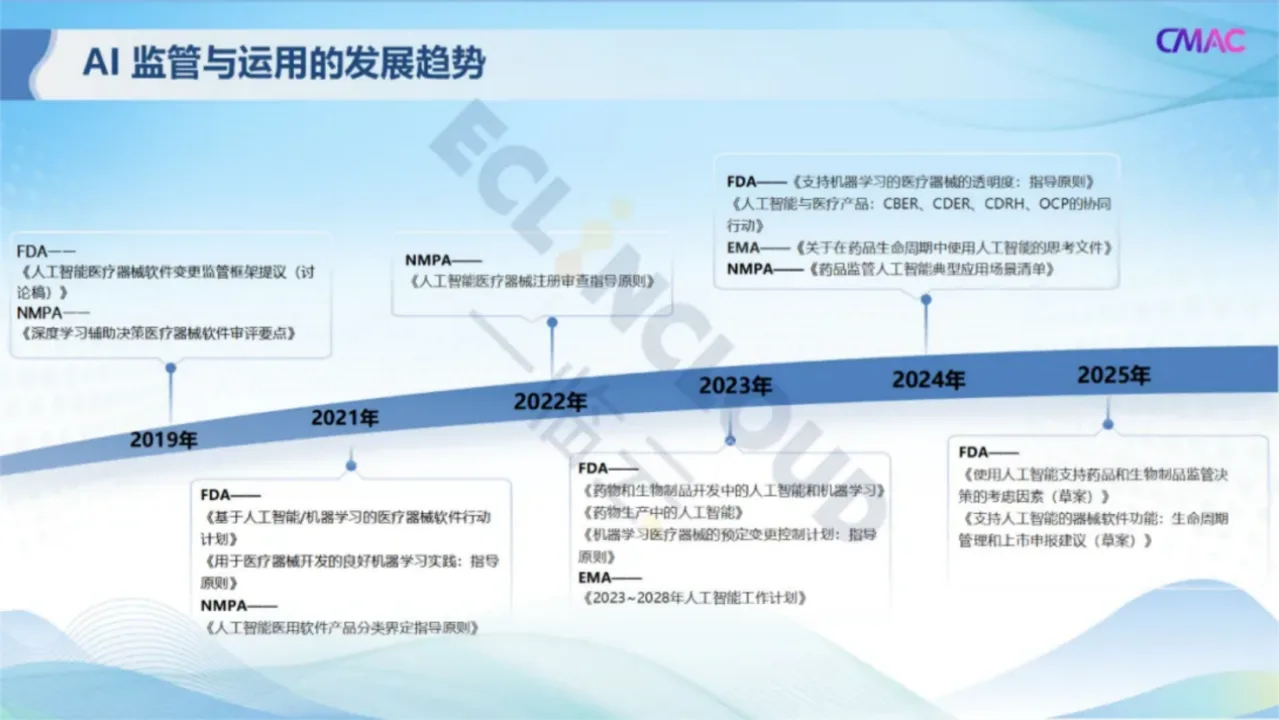
The presentation also focused on the current application of AI technology in clinical trials, outlined the evaluation frameworks and review requirements for AI tools from agencies such as the FDA, EMA, and NMPA, and expressed anticipation for subsequent guidance documents.
At the same time, drawing on EClinCloud's practice, opening perspectives were shared from three angles—patient experience and adherence management, data quality and compliance, and intelligent assisted decision support—to spark discussion and explore with on-site guests AI-enablement areas in eCOA systems.
This discussion cut through the confusion amid the wave of digitalization for attendees and illustrated the broad prospects for AI-enabled clinical trials.
Looking ahead, EClinCloud will continue to explore
the deep integration of AI technology and clinical research, empower industry development through digital innovation, and work alongside global partners to jointly advance the intelligent development of clinical research.