With Rising Drug Filings and Tightening Investment, How Can Digital Solutions Help Reduce Costs and Improve Efficiency in Clinical Research?

As the biopharmaceutical industry continues to develop, innovative drug R&D has entered a period of rapid growth, and the number of clinical drug trials is trending upward. Alongside this, improving clinical trial efficiency and reducing the costs and risks of clinical research have become urgent priorities for a growing number of pharmaceutical companies and research institutions.
Using digital tools to advance the digital and intelligent development of clinical trials is undeniably the prevailing trend.
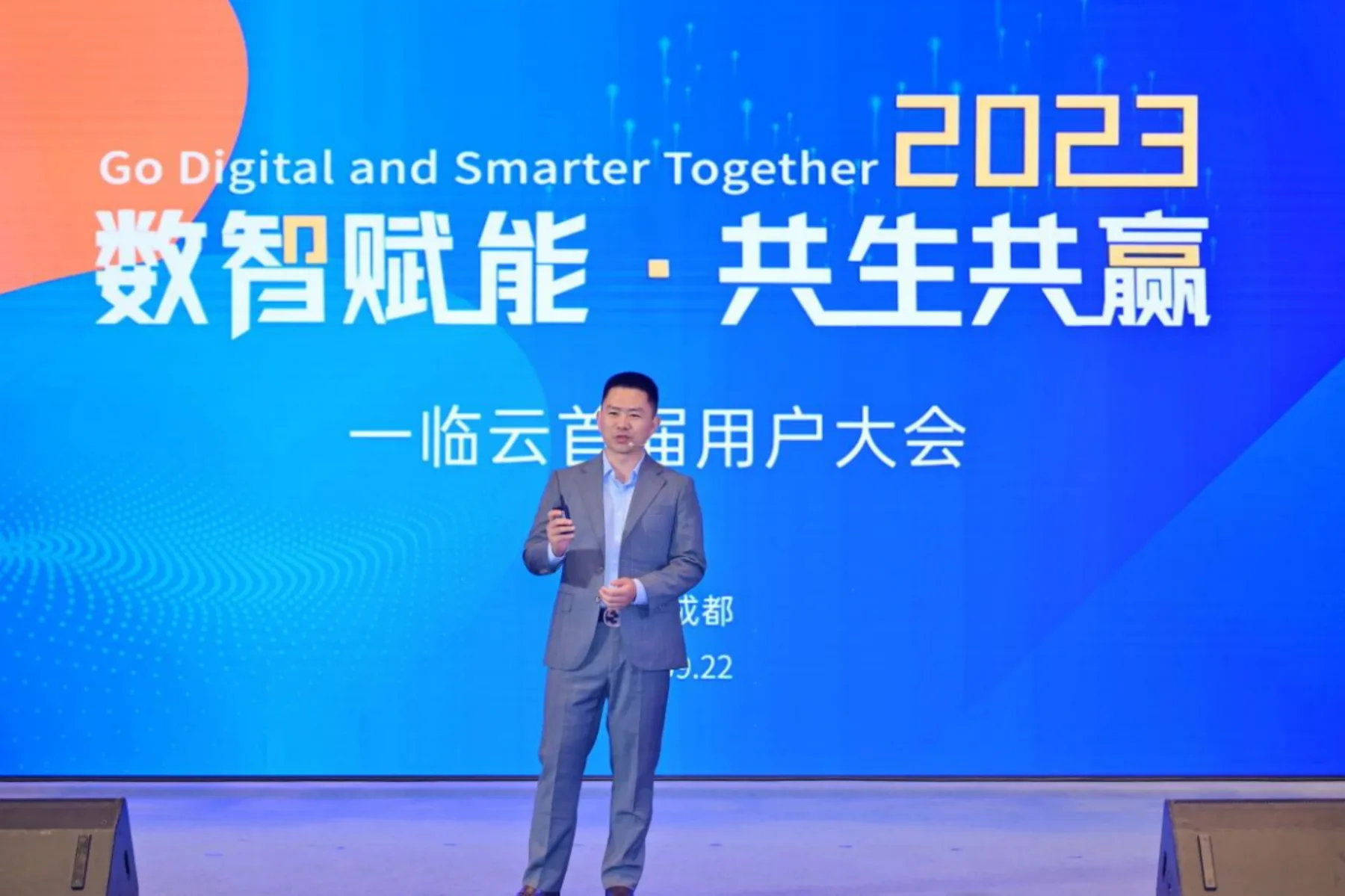
To better meet the needs of digital and intelligent clinical development and share the latest achievements and solutions, EClinCloud recently convened in Chengdu
its first User Conference, "Digital and Intelligent Empowerment: Symbiosis and Win-Win," bringing together pharmaceutical industry leaders for discussions.
Rising Drug Filings and Tightening Investment
Digital Solutions Help Reduce Costs and Improve Efficiency
Amid tightening investment in the pharmaceutical industry and a growing number of clinical trials for new drugs, pharmaceutical companies undoubtedly have an urgent need for digital solutions to reduce clinical research costs and improve clinical trial efficiency.
Dr. Qin Long, Founder and Chief Executive Officer of EClinCloud, noted that patient-centric clinical trials and decentralized clinical trials are becoming a new trend.
In response to this trend, EClinCloud has made three major deployments: an integrated, interconnected platform, endpoint assessment solutions, and technological intelligence and innovation.
Through its integrated, interconnected platform, EClinCloud provides a one-stop solution across the entire clinical trial lifecycle.
Currently, its integrated cloud platform is already highly mature, has been used in multi-country, multi-center clinical trials worldwide, and has been applied in multiple international Phase III clinical studies.
EClinCloud's clinical endpoint assessment solution already covers various therapeutic areas, including central nervous system, ophthalmology, oncology, cardiovascular, and dermatology, and has accumulated extensive experience in scale management and rater training. Its eCOA system puts a patient-centric clinical research philosophy into practice, improving patient compliance while achieving more scientific clinical efficacy evaluation.
Currently, EClinCloud has begun collaborating with Microsoft to empower its full product suite with AI, and has already deployed a natural-language-model-based AI intelligent assistant.
Notably, at its first user conference, EClinCloud launched the all-new ECC ONE, which migrates operations previously required on a PC to mobile devices, further improving the efficiency of data transmission and document or workflow approval.
Partnering with nearly 100 companies and managing more than 500 clinical trials
Product R&D and innovation to meet the needs of medical users
Over the past three years of development, EClinCloud has partnered with nearly 100 clients; its collaborating clinical trial sites have reached more than 800 (covering nearly all currently active clinical trial sites), and the number of trial participants covered has reached more than
30,000. The platform conducts collaborations across more than
10
countries and regions, and the number of clinical trial projects it manages exceeds
500.
Achieving this is tied to EClinCloud's strong product R&D and innovation capabilities.
According to Wu Weiping, Chief Technology Officer of EClinCloud, "Products that meet medical users' needs, R&D architecture, and innovation interact closely and jointly contribute to achieving the company's goal of supporting clinical research management."
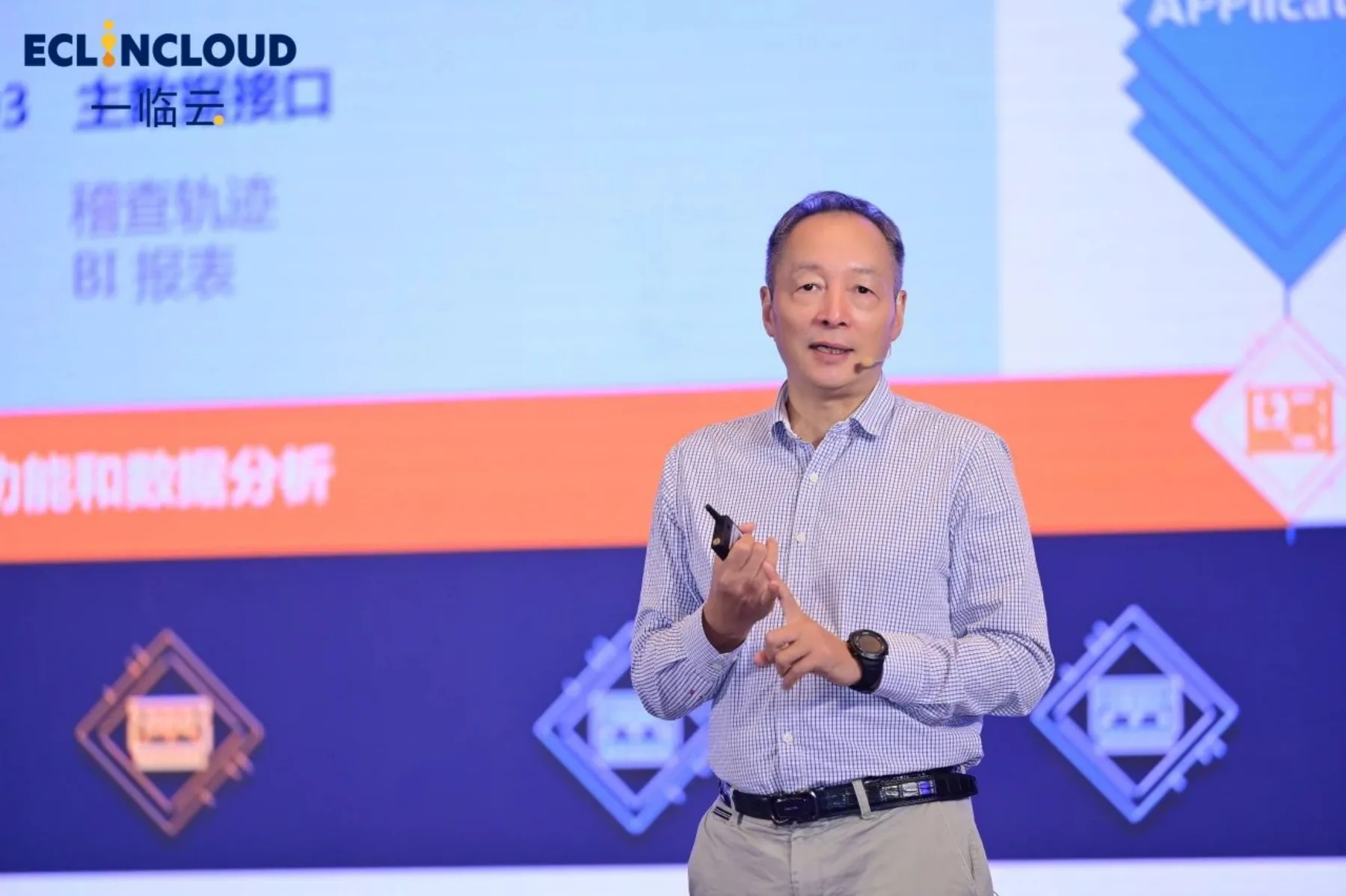
In terms of products, EClinCloud has built the ECC
integrated clinical trial system. In clinical trials, the involvement of multiple organizations and roles often leads to disconnected information and inefficient communication, while a lack of data interoperability across isolated systems frequently causes transcription errors, missing data, and duplicate work. Committed to "digitally transforming clinical research," EClinCloud uses an integrated, interconnected platform to
integrate systems such as CTMS,
eTMF,
eCOA,
EDC,
RTSM,
RM,
and eLearning
into a single platform, achieving interconnectivity through advanced infrastructure. Users need only a single account and password to operate all subsystems. In addition, the entire platform achieves the industry's fastest deployment with "zero coding."
In terms of innovation, EClinCloud has established the ECC Innovation Center and is also currently using AI to further enable clinical trials. Wu Weiping noted that EClinCloud has achieved a leading domestic position with its own systems and is actively moving toward intelligent capabilities.
Supporting the Approval of Raynovent's COVID-19 Treatment
Enabling China Medical System's Innovative Drug R&D
How do EClinCloud's digital clinical trial solutions enable innovative R&D for domestic pharmaceutical companies?
Two examples may better illustrate this.
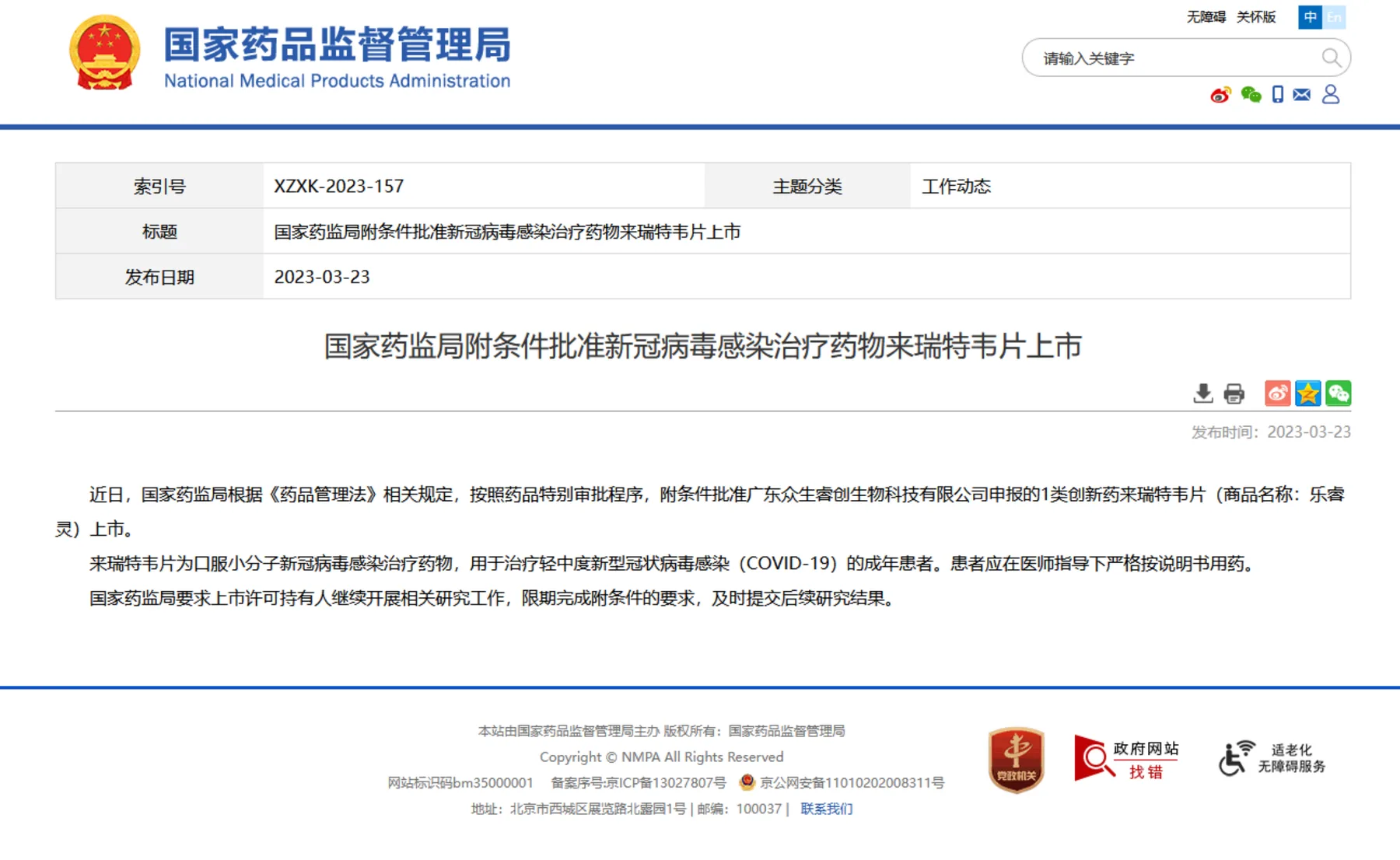
First, EClinCloud supported the market approval of leritrelvir tablets, the world's first peptidomimetic 3CL single-agent Class 1 new anti-SARS-CoV-2 drug.
Dr. Chen Xiaoxin, co-founder of Raynovent, shared that upon realizing SARS-CoV-2 infection could become a seasonal endemic disease, Raynovent initiated the project. Raynovent selected the optimal target for an oral COVID-19 antiviral and pressed ahead with the development of a 3CL protease inhibitor to meet the need among high-risk populations for a low-DDI-risk single-agent 3CL pro inhibitor. Ultimately, Raynovent completed the new drug's R&D in less than a year, during which its team overcame various inconveniences brought by the pandemic.
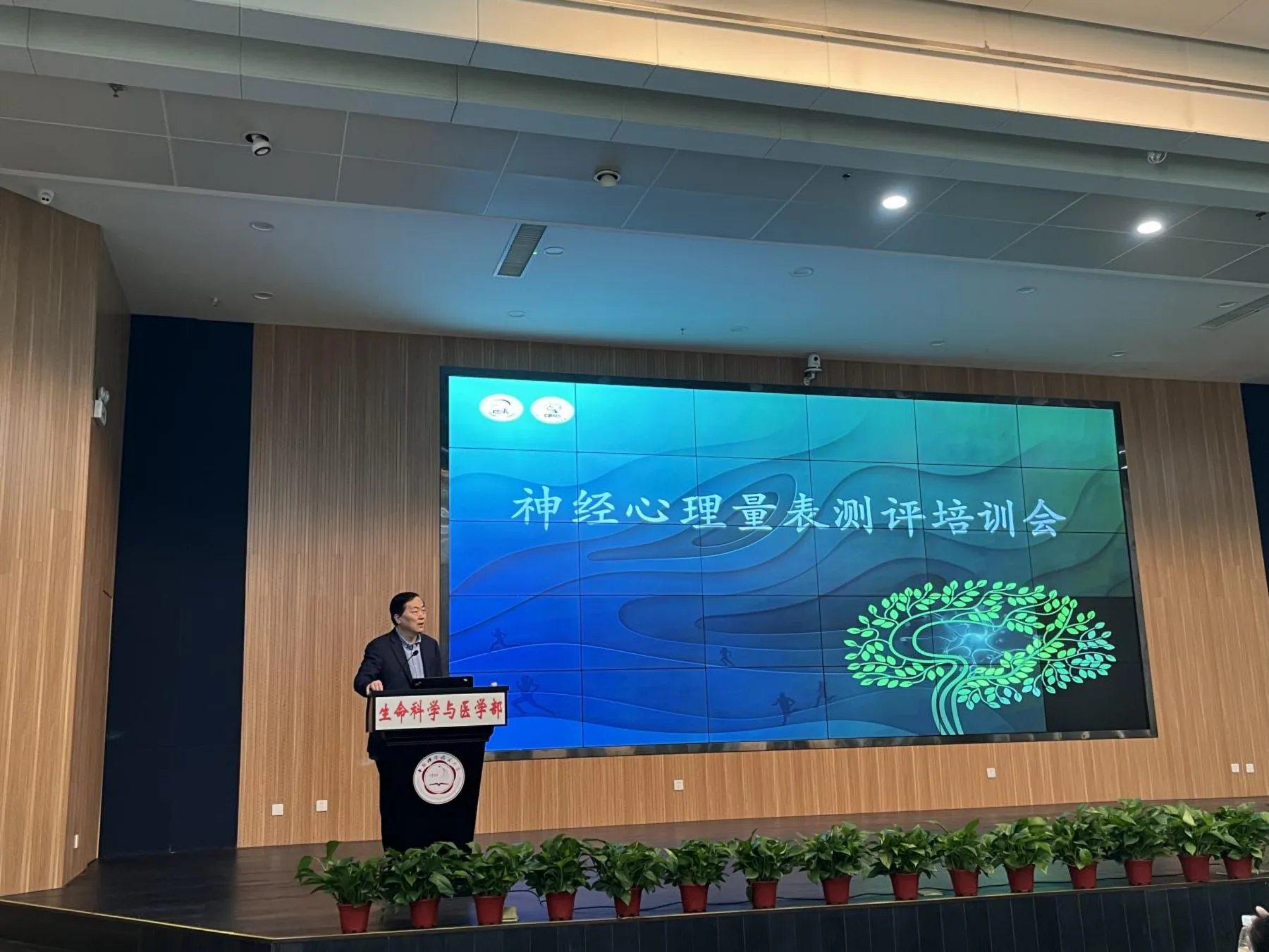
Meanwhile, EClinCloud's eCOA system also played a key role, helping Raynovent easily pass the CFDI inspection. It not only safeguarded data integrity, accuracy, and real-time availability, but also helped Raynovent obtain reliable clinical trial endpoint data, earning recognition from National Medical Products Administration (NMPA) inspection experts.
Second, EClinCloud empowered Kangzhe Biotech's innovative R&D.
Kangzhe Bio is currently advancing and implementing its transition to innovation, having built a pipeline of multiple FIC and
BIC
innovative products. Yin Yuanyuan, Deputy General Manager of Kangzhe Bio, noted that clinical research management often faces numerous challenges, including complex workflows, many roles, large data volumes, extensive documentation, long timelines, and hard-to-predict risks. Drawing on his firsthand experience, he emphasized the importance of digitally empowering clinical research, noting that the
eTMF
system ensures document completeness while making it easier to undergo audits; and the
eCOA
system safeguards data completeness, accuracy, and compliance, making analysis easier.
At the same time, Kangzhe Bio's leadership also recognized the importance of post-investment management and improving clinical research success rates. On this basis, Kangzhe Bio partnered with EClinCloud to establish its own post-investment management system through an integrated suite of digital solutions, transforming the previous situation of
"people looking for tasks" into "tasks finding people," where "every role receives corresponding work tasks and deadline reminders every day, greatly improving management efficiency."
Digitalization Supports Clinical Research Management
Actively Embrace Innovation
What challenges remain as digitalization supports clinical research?
An on-site roundtable discussion invited Song Wei, CEO of Guoxin Pharmaceutical; Wang Wei, Co-founder of R&G PharmaStudies; Chen Xiaoxin, Co-founder of Raynovent; Yin Yuanyuan, Deputy General Manager of Kangzhe Biotech; Xu Hui, Chief Business Officer of Pharmaron Clinical; and Lyu Ning, CEO of Susu Technology, to share their perspectives.

Addressing the questions of greatest concern to many pharmaceutical and CRO companies—how to improve clinical efficiency and success rates—Wang Wei of R&G PharmaStudies and Xu Hui of Pharmaron Clinical both pointed out that, given the current slowdown in the growth of new drug
IND
counts and lower per-project fees, it is necessary to further embrace innovative tools such as digital systems to achieve capabilities including process-based management, data interconnectivity, and human-machine interaction, thereby improving management efficiency.
Reducing costs and increasing efficiency is a pain point that many companies want to solve. However, Yin Yuanyuan of Kangzhe Biotech pointed out that cost reduction and efficiency gains should focus more on how to obtain higher value for the same investment, and on the quality and success rate of clinical research, rather than focusing solely on price.
Currently, advancing eCOA also faces many issues. Xu Hui of Pharmaron Clinical pointed out that the biggest difficulty is low adoption, though planning should still begin early. Chen Xiaoxin of Raynovent noted that how to improve eCOA usability for older patients and how to better address issues such as patient reporting are also points that need attention.
Ultimately, patients, investigators, and others will all benefit from digital solutions for clinical research management.
Attendees stated that while clinical research management still faces some challenges today, digital solutions will eventually support clinical research management and help it achieve a qualitative leap, ultimately benefiting all parties across the industry chain.