Expert Perspectives | The Path to Digital Transformation in Pharmaceutical R&D from Different Perspectives

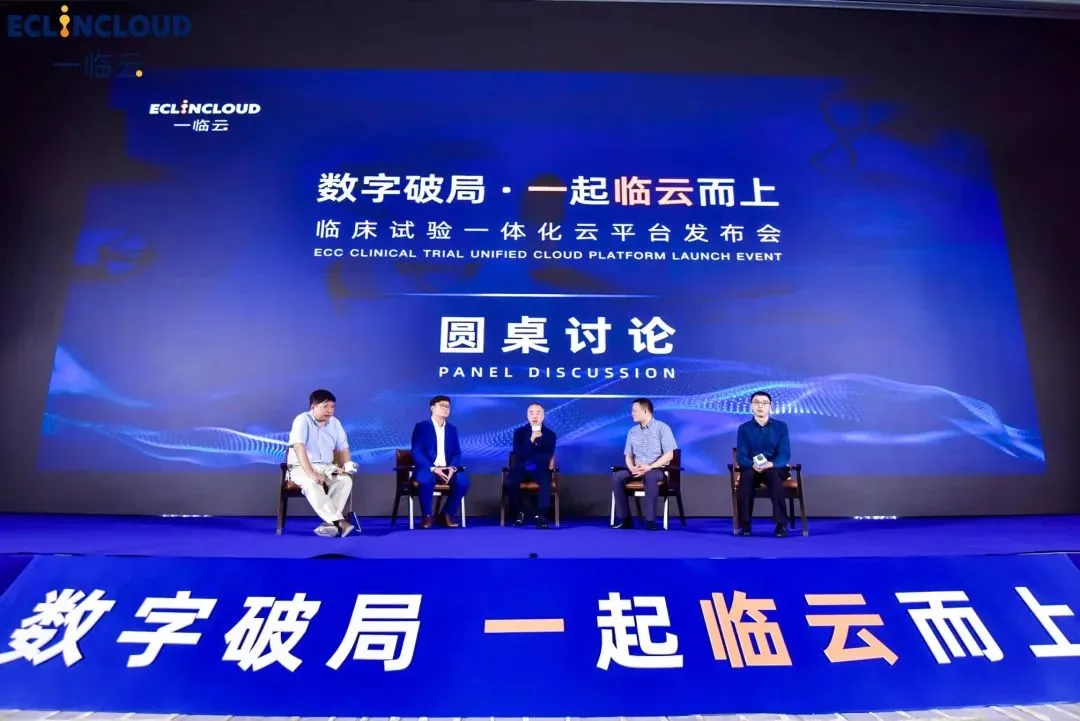
On 7/17, the EClinCloud Integrated Clinical Trial Cloud Platform launch event was successfully held in Shanghai, featuring an engaging roundtable forum. Moderated by Tom Tang, Senior Vice President at Adlai Nortye, the panel brought together Shen Yifeng, Director of the Clinical Trial Institution Office at Shanghai Mental Health Center; Lyu Cheng, Vice President of Translational Development and Clinical Operations at LianBio; Yu Dongsheng, General Manager of Galaxy Asset Management; and Zhang Hai, Senior Vice President of Clinical Services at Pharmaron Clinical. Sharing their respective views, the panelists analyzed the progress, applications, and prospects of digitalizing pharmaceutical R&D from the standpoints of clinical medicine, innovative biopharma, capital markets, and the CRO sector.
 Tom Tang
Senior Vice President, Adlai Nortye
First, Dr. Tang shared his perspective, expressing strong optimism about the clinical trial informatics industry and citing several successful clinical trial informatics companies abroad. He noted that even in today's relatively cool economic environment, the clinical trial informatics industry continues to thrive, which is why he is very optimistic about EClinCloud's future. He then posed questions to the other panelists.
From the physician and patient perspective,
how do you view eCOA use?
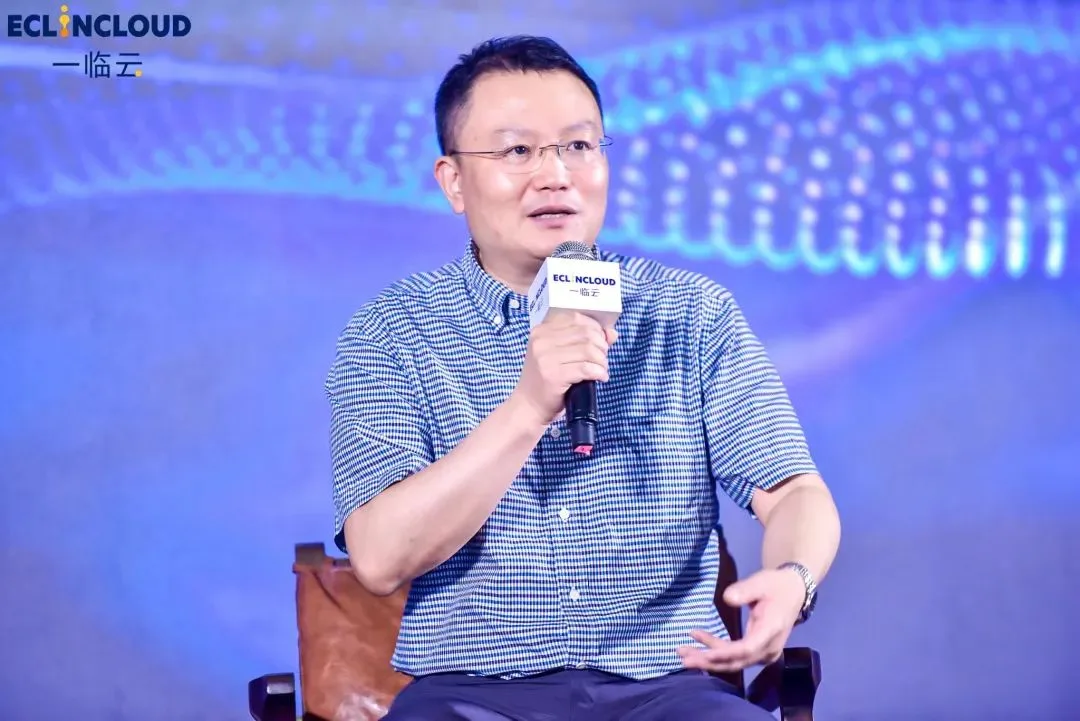
Shen Yifeng Director of the Clinical Trial Institution Office, Shanghai Mental Health Center
Question 1: Hello, Director Shen. You are an expert in the field of psychiatry and are thoroughly familiar with the clinical development of psychiatric drugs. You also have a deep understanding of the development and application of eCOA in this field. From the perspective of a direct user of eCOA, could you discuss the application scenarios for physicians or patients using eCOA, its development over the years, and its future outlook?
Thank you, host. Let me start by talking about "patient-centricity". The core question of "patient-centricity" is whether patients are satisfied. In the past, we always emphasized that patients are trial participants, and that their rights, interests, and safety must be ensured. Both ICH E6(R3) and E8(R1) mention that in the future, patients will no longer be merely trial participants, but participants—not only participating in clinical research; in the future, the patient's role will move upstream to protocol development and even needs research, ultimately enabling patients' needs to be met and forming a closed loop.
Tools represented by ePRO provide a good opportunity for patients to make their voices heard. In China, outside of oncology and rare diseases, there are almost no patient organizations. Abroad, however, patient organizations are very strong and can influence many things. What channels can patients without an organization use to express their thoughts? From this perspective, improvements to these tools are very valuable, as patients can express themselves through them.
In addition , whether someone else is present also affects how patients express their own feelings. Take data collection with the Arizona Sexual Experiences Scale (ASEX) as an example. We found that compared with situations where a physician is present throughout, patients completing the questionnaire alone (without a physician beside them) may yield more information and content. ePRO gives patients the opportunity to truthfully express their own feelings without having to face healthcare staff, and the data obtained will be more authentic and reliable.
Overall, patients' real experience is both the original intent and the ultimate purpose of clinical drug development; products that do not meet patients' needs have no future.
Second , let's look at the core issues with physicians conducting scale assessments:
1. Whether the scale assessments completed by physicians are reliable, and whether they strictly follow the requirements when conducting the assessments;
2. Whether physicians have unmet needs.
Regarding the first issue , eCOA can address it well:
1. When physicians complete a scale, the process is recorded, making their judgments traceable and amenable to quality control;
2. Someone reviews the scale completion process, which helps keep physicians accountable;
3. Investigators can obtain additional information, such as the duration of scale completion and the order in which items are completed.
Regarding the second issue , eCOA also brings improvements and support, and can reduce physicians' workload:
1. Physicians no longer need to spend time and effort memorizing the content of the items themselves or the scoring rules;
2. Once the scale assessment is completed, the data are captured directly by EDC, so physicians do not need to record the scores or transcribe them into a computer;
3. It truly enables scheduling and management, making scale assessments more standardized.
From a capital markets perspective,
How do you view the development of clinical research informatics?
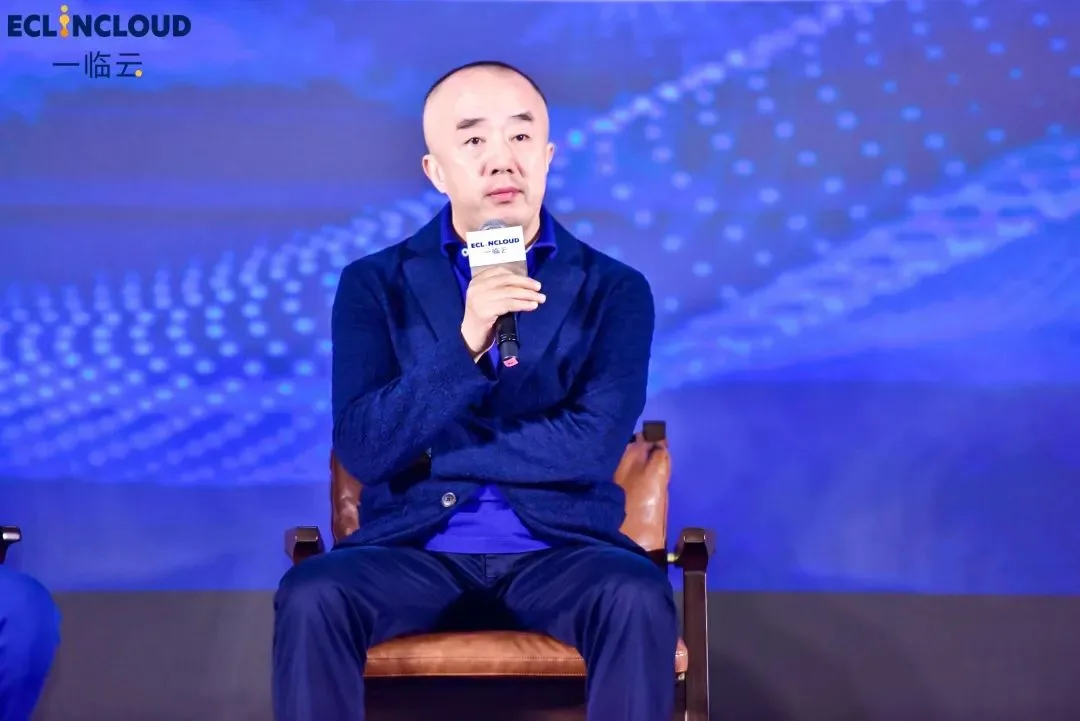
Yu Dongsheng General Manager, Galaxy Asset Management
Question 2: Novel drug R&D is currently booming in China, and supporting platforms—such as the digital platform built by EClinCloud, CRO service platforms, and CDMOs providing manufacturing and R&D services—are all developing. Mr. Yu, as an investor with extensive experience in the secondary market, how do you view the future growth potential of clinical research informatics and the bottlenecks it may encounter?
Thank you, moderator. The market environment over the past two years has been rather unusual: the primary market remains buoyant, while the secondary market has seen significant fluctuations. We need to understand the industry from the perspective of a new era and consider the potential that emerging markets will offer in the future. Currently, there is a considerable gap between the level of domestic pharmaceutical R&D and that of developed countries, and the demand for pharmaceutical clinical research informatics remains substantial. The healthcare industry is always a friend of time; a company's core value lies in whether it has the capability to innovate, and only companies with genuine innovative capability will emerge successfully.
Therefore, from this perspective, EClinCloud emerged in response to these industry trends : First, favorable policies for innovative drugs are driving the robust development of pharmaceutical R&D, and demand is also rising rapidly; second, in recent years, the CXO sector has received strong recognition from the capital markets, and the development of the CXO segment will also bring many opportunities to the healthcare field; third, industry development also poses challenges to pharmaceutical R&D models, such as requiring higher efficiency and better data quality. Simply expanding headcount can no longer meet the needs of pharmaceutical R&D in the new era.
In addition , there is substantial room for growth in healthcare clinical R&D informatics. According to an industry survey, the US market size in 2019 was USD 59 hundred million and is projected to reach USD 119 hundred million by 2024, nearly doubling. China's figure in 2019 was approximately USD 5.4 hundred million and is projected to reach USD 24.7 hundred million by 2024, with a compound annual growth rate (CAGR) as high as 36% over the 5-year period. In terms of penetration rate, ePRO penetration in European and US countries can reach 50-60%, compared with only 5% in China, showing that the Chinese market still has substantial room for growth.
Finally, as an emerging force with professional medical and scientific teams, I sincerely hope EClinCloud can take on the historic mission of meeting the needs of physicians and patients, supporting and helping the development of innovative drugs in China, and securing an effective valuation for the clinical research informatics sector in mainland China and Hong Kong.
From a sponsor's perspective,
how do you view the issues that urgently need to be addressed in clinical research at the current stage?
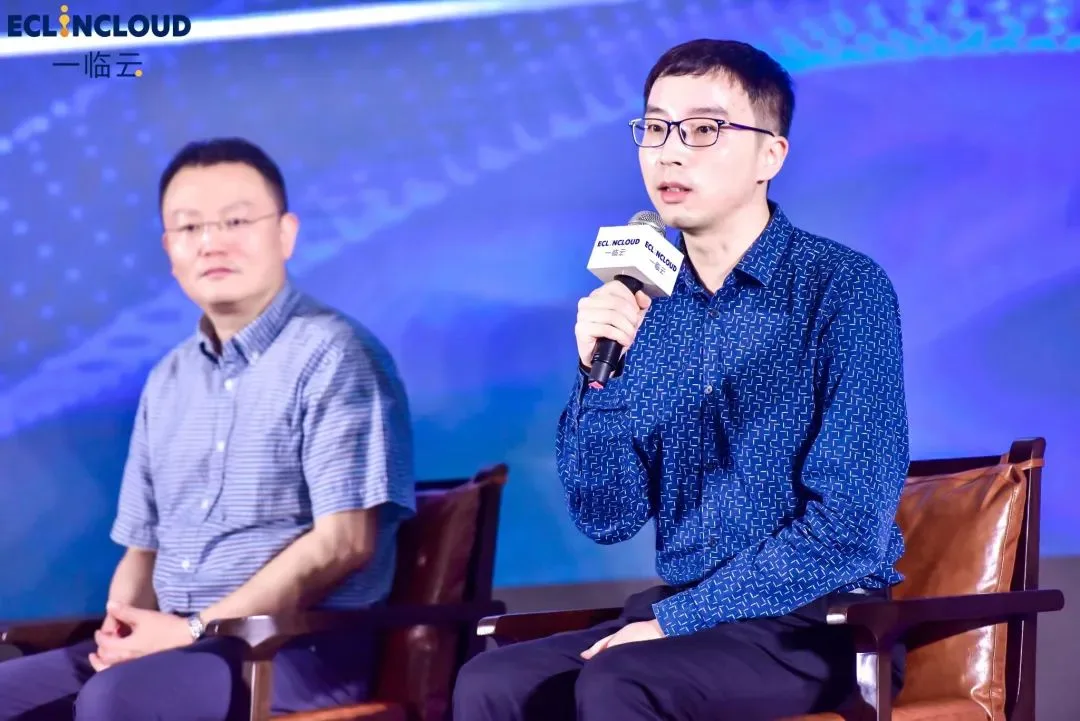
Lyu Cheng Vice President of Translational Development and Clinical Operations, LianBio
Question 3: Mr. Lu Cheng, having worked at several multinational innovative pharmaceutical companies, you must have deep firsthand experience with the digitalization of clinical information. Could you speak from the sponsor's perspective on the urgent challenges that clinical research currently needs to address?
Thank you, moderator. First, from the sponsor's perspective, eCOA is a portal for data collection, and the sponsor's core needs for data collection can be summarized into 3 points:
1. Authenticity and convenience of clinical data collection;
2. Data that can meet the requirements of regulatory authorities;
3. Collected data that meets the sponsor's back-end requirements.
From my own experience, clinical research is a long and complex process. Beyond collecting patient data, sponsors also need to process and analyze the data, compile summary reports, and ultimately submit applications. At present, the data collection and analysis steps are fragmented, so we urgently hope for a system in which data collected from eCOA can form datasets to facilitate our subsequent calculations and communication; this is indeed a pain point for sponsors.
For example, as everyone knows, at the end of 2021, China was vigorously advancing model-informed drug development. If patient data results after blood draws can be rapidly exported into a dataset, we can use this dataset to quickly calculate PK parameters and quickly derive a PopPK model to advance our research. Therefore, we strongly look forward to a vendor providing an integrated, clear, and complete solution. In this area, I think China has little legacy burden, our models have not yet become rigid, and starting everything from scratch is a great opportunity.
Second, I must mention "patient-centricity." Our team often thinks about a question: do the clinical studies we design and the tools we use actually help patients, or do they cause trouble for patients? When conducting clinical studies, the patient experience is very important. Simple, low-difficulty data collection methods can greatly improve data quality.
Finally, it is also a hope of mine that a vendor can lead us and show us what the future looks like. Sometimes, the best products are those that change how people live, so I also look forward to a company changing how we execute clinical studies.
From the perspective of a CRO,
How do you view the digitalization of clinical trials?
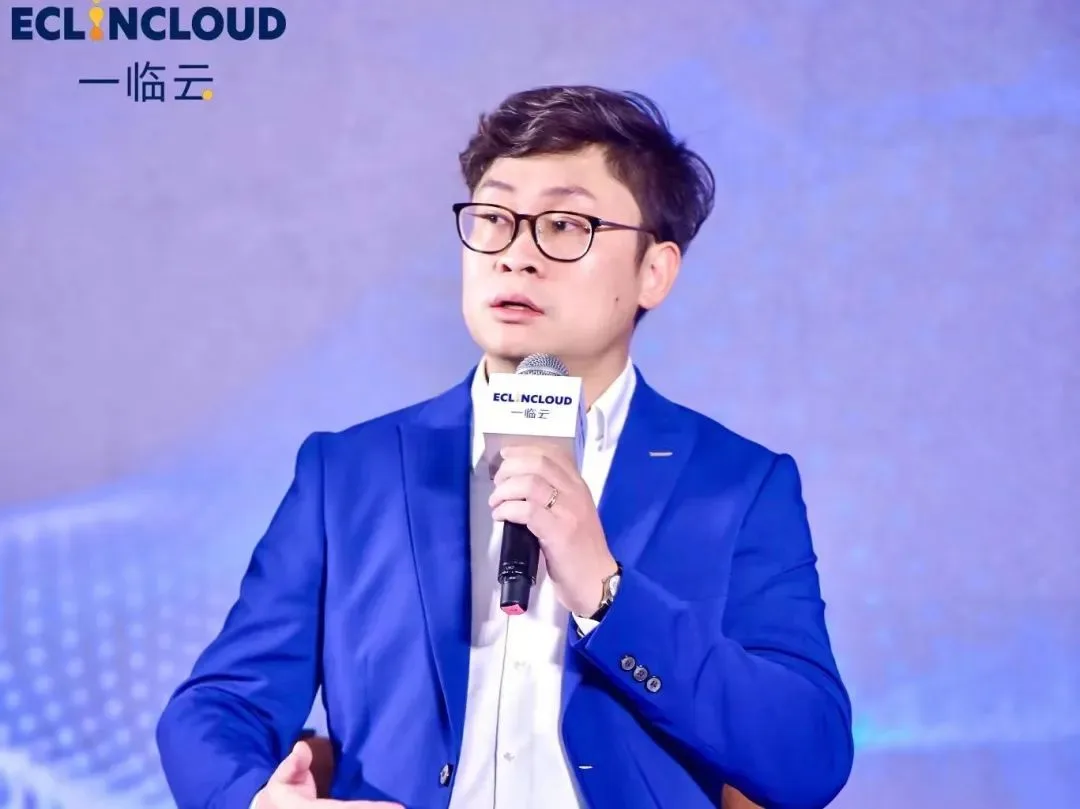
Zhang Hai Senior Vice President of Clinical Services, Pharmaron Clinical
Question 4: Many of the application systems EClinCloud launched today are geared toward CRO companies, and at the same time, CRO companies are also subject to the strictest inspections by regulatory authorities. Mr. Zhang, speaking from the perspective of a heavy user of clinical trial management systems, could you share your experiences and expectations?
Thank you, moderator. First, many innovative pharmaceutical companies need a professional clinical research management team to help them manage their clinical studies. On the one hand, innovative drug development in China has a relatively short history, and many innovative pharmaceutical companies still lack sufficient experience in managing a clinical trial; on the other hand, many biotech companies have a high degree of homogeneity, making speed the key determinant of success or failure. How can speed be improved? The key lies in clinical trials. And how do we ensure that clinical trials run both rapidly and with high quality? The core lies in management. Therefore, innovative pharmaceutical companies urgently need a systematic clinical trial management solution. And how can such a systematic management solution be provided? It requires standardizing and digitalizing clinical trials. A scientifically sound and well-structured system is the cornerstone for helping companies execute project management effectively.
Second , there is the perspective of preparing for regulatory inspections. Many regulatory authorities, both in China and internationally, have established requirements for clinical trial documentation. For example, the EU GCP published a document setting out requirements for eTMF, which includes two core points: 1. reconstructing the clinical trial process; and 2. being prepared for inspections. Regarding the first point, once a clinical trial ends, what serves as proof of it is a collection of documents, and we have to use those documents to reconstruct the clinical trial. The timeliness and completeness of those documents are the most critical challenges in reconstructing the clinical trial process. Turning to the second point, inspection readiness also comes down to the documents generated during clinical research, and the repository for these documents is the eTMF. Therefore, I believe the eTMF is the key to solving both of these issues.
Third , I believe CTMS and eTMF can close the information black hole between the sponsor and the CRO. Mutual trust between the sponsor and the CRO is very important for smooth project progress; trust is the foundation of collaboration. In past projects, however, sponsors could not track project progress in real time—they did not know what the CRO had done or what stage the project had reached, which created a strong sense of insecurity and reduced trust in the CRO. At that point, disagreements would arise between the sponsor and the CRO. However, EClinCloud's interconnected systems can address this issue effectively. Take Pharmaron Clinical as an example: we require the document upload rate within one month to be higher than 90%. Once documents are uploaded, the sponsor can see them. Being able to see project progress gives the sponsor a greater sense of security and greater trust in us.
About EClinCloud
EClinCloud provides an integrated, all-in-one cloud platform (including solutions such as CTMS, eTMF, EDC, RTSM, and eCOA, along with consulting services such as scale management, linguistic validation, rater training, study build and configuration, and data quality analysis) and clinical trial endpoint assessment technologies across therapeutic areas (including oncology, neurology, cardiology, pulmonology, dermatology, and others). By combining cutting-edge technology with life data, it builds a globally leading, "patient-centric" SaaS cloud platform for clinical evidence support, helping domestic and international pharmaceutical companies and research institutions improve R&D efficiency, accelerate the market launch of drugs/devices, and benefit countless patients.