CMAC Conference Report | How to Keep Patients' Lifeline Open Amid the Pandemic?
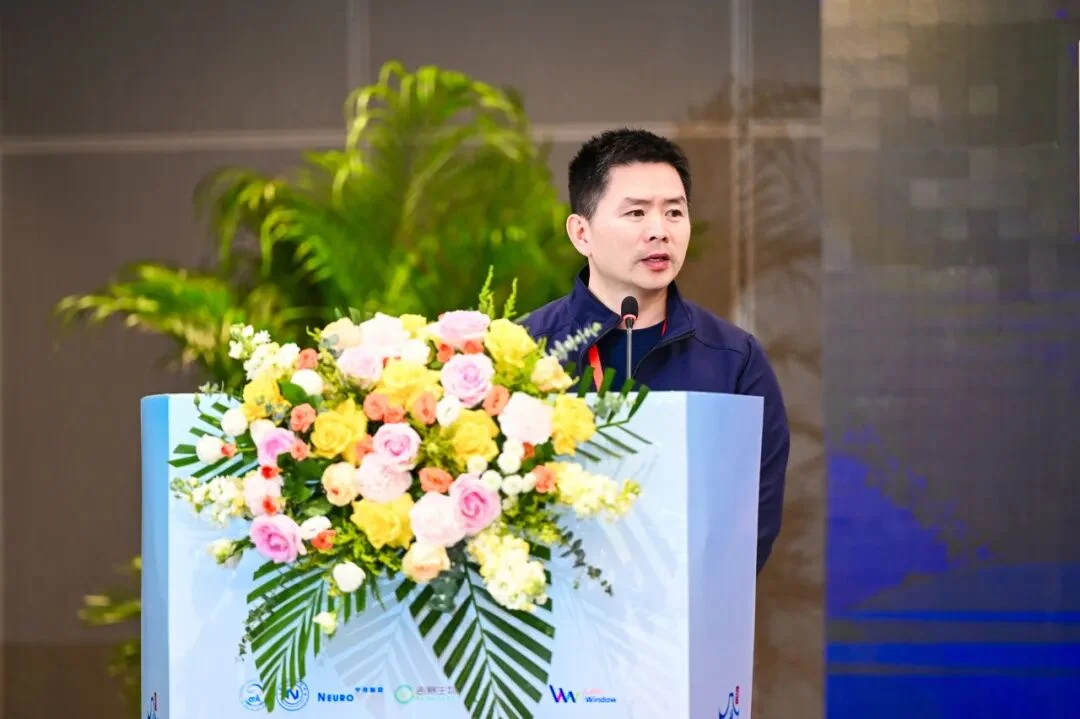
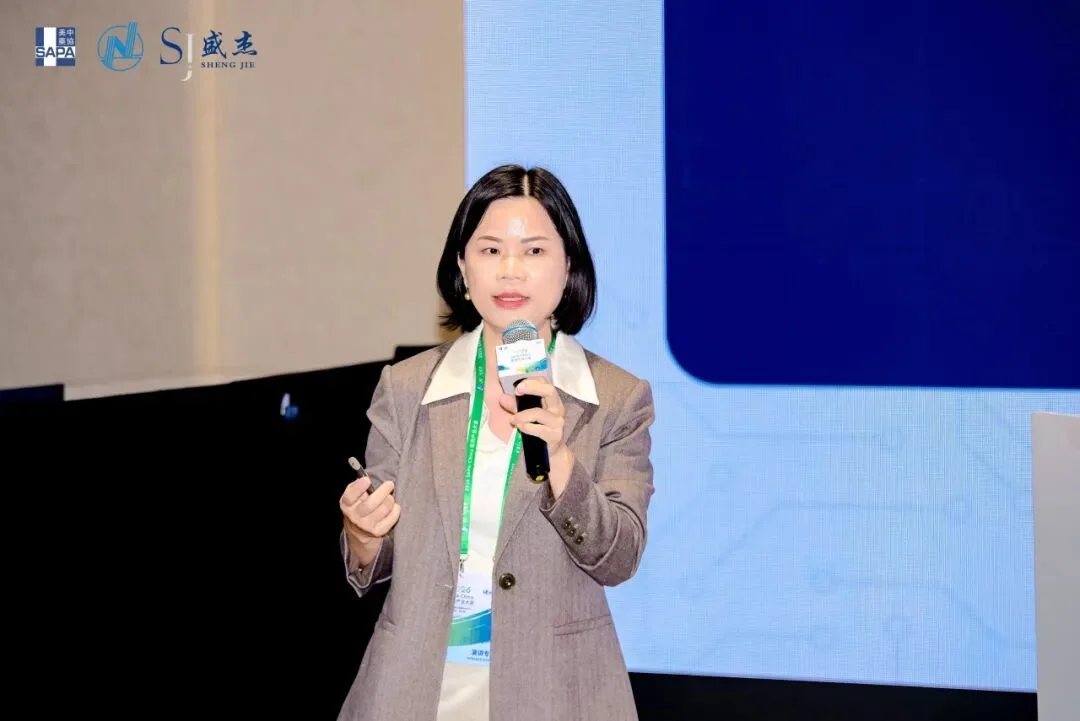
On 7/10, the Pharmaceutical R&D Executive Supply Chain Forum of the China Medical Conference on Innovative Drugs and Devices and the 7th CMAC Annual Meeting was successfully held in Hangzhou. Dr. Qin Long, CEO of EClinCloud, joined executives from across sectors to discuss how data management and technological innovation can help healthcare save more lives.
"We are a technology company. Technology must not only stay grounded to meet the current needs of clinical medicine, but also look to the stars to explore how technology can support future clinical research."
— Dr. Qin Long, CEO of EClinCloud
During the pandemic in Shanghai, the news story "Shanghai Woman Seeking Chemotherapy Pulls Off Wig in Tears After Subway Suspension" trended online and moved countless people.
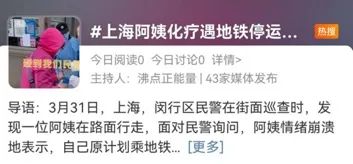
Countless patients had their treatment plans disrupted because they could not travel during the pandemic, and a large number of clinical studies also experienced deviations due to the sudden outbreak. We urgently need a solution to counter the disruption and stagnation brought by the pandemic.
To address the difficulty patients face in obtaining medication, we must first understand a concept—DtP (Direct to Patient). It is an important approach for supporting decentralized clinical trials (DCT), and refers to a shipping model that delivers medication directly from a study site or drug depot to the patient.
1. Patients with limited mobility who cannot visit the trial site in person can receive medication directly through DtP.
2. For patients with scheduling constraints, timing can be arranged flexibly according to their needs, reducing the risk of patient withdrawal from the trial and improving adherence.
3. For patients in remote areas or other parts of the world, DtP can help studies reach trial participants more broadly and support real-world studies.
Which studies are suitable for the DtP shipping model?
1. Phase II/III or post-marketing studies
2. Trials >2 years
3. Investigational medicinal product (IMP) with stable properties
4. Patient visit window >3 months
5. Dispensing IMP does not require training
6. Patient population far from the study site
The DtP shipping model can greatly reduce the burden on patients, but at the same time, it also carries some potential risks. For example: How can shipping and logistics be coordinated? How can we ensure that patients' personal information (such as home addresses) is not leaked? How can drug traceability be ensured? To address these issues, we need to introduce a new system—the Randomization and Trial Supply Management (RTSM) system.
The RTSM system plays a crucial role in the DtP shipping system. It can ensure that the right drug is delivered to the right person at the right time.
The RTSM system achieves full drug traceability and mitigates the potential risks of DtP
The RTSM system plays a critical role in a DtP shipping system. It can ensure that the right drug is delivered to the right person at the right time.
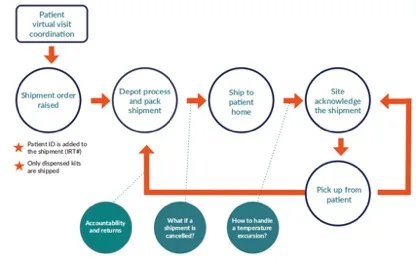
RTSM system flowchart
How is this achieved?
When a drug is requested, the pharmacy, courier, and study site are all notified. After the drug is delivered to the patient's home, the study site receives a notification, while the data record is sent to the pharmacy and uploaded to RTSM. After reviewing the data, the study site is notified that the shipment has arrived at the patient's home and can remotely instruct the patient on how to take the drug and proceed with next steps.
Delegating most of these tasks to the RTSM system also helps manage kit status, control supply, manage the study, and closely monitor various events and handle them accordingly. For example, RTSM can track and manage temperature excursions. When a temperature excursion occurs, the RTSM system can promptly flag it and assist with handling actions, such as quarantining the drug and immediately dispatching a replacement drug to ensure the patient receives the drug within the visit window.
Of course, RTSM today is not yet perfect, and many issues regarding the configuration of RTSM systems in China still merit discussion.
1. Shipment cancellation
Shipment cancellation is one of the causes of shipment failure. A patient may forget about an expected delivery and not be at home, the address may be incorrect, or the courier may arrive too late or too early in the day. We need to discuss how configuration management in RTSM can promptly generate new drug supply and deliver it to the patient on time without causing a protocol deviation due to the visit window, and how shipments should be flagged and handled so deliveries are not missed.
2. Accountability, returns, and destruction
RTSM tracks kit status throughout the study, providing a single source for reconciliation at the end of the study. In DtP trials, unused kits must be returned by the patient. Who is responsible for this process? Should unused or expired drugs be sent to a drug depot or a hospital, and who is responsible for this?
3. Patient privacy
Managing patient privacy data across the entire supply chain without compromising patients' personal data is a potential risk in DtP trials. Because the drug is shipped directly to the patient's home, a record of the patient's name and shipping address is required. The question is: should RTSM store the patient's name and address, or should the CMO/courier coordinate this process?
4. Lack of regulations
Currently, China still lacks mature regulations to guide DtP and DCT; sponsors must follow current best-practice principles through study protocol submissions and each country's approval process. If new regulations emerge, specific countries may refuse drug delivery. A robust, industry-leading RTSM system needs to be configured with rules specific to each country/region to adapt to any newly emerging regulatory requirements.
Finally, Dr. Qin Long concluded: DtP trials help attract participants to clinical trials, help retain participants and shorten enrollment timelines, and reduce the burden of traveling to study sites. However, these studies are not without risks. It is important to understand how to design and conduct these studies to protect patient privacy and supply-chain integrity. To mitigate these risks, sponsors should consider using RTSM systems, as they provide a consistent, reliable, and transparent way to manage the unique requirements of the DtP supply chain. Because the industry is only just beginning to adopt studies under this model, the flexibility of modern RTSM is needed to adapt to this new and evolving study design.
About EClinCloud
EClinCloud provides an integrated, all-in-one cloud platform (including solutions such as CTMS, eTMF, EDC, RTSM, and eCOA, along with consulting services such as scale management, linguistic validation, rater training, study build and configuration, and data quality analysis) as well as clinical trial endpoint assessment technologies across therapeutic areas (including oncology, neurology, cardiology, pulmonology, dermatology, and more). Combining cutting-edge technology with life-science data, EClinCloud builds a globally leading, "patient-centric" clinical evidence support SaaS cloud platform, helping domestic and international pharmaceutical companies and research institutions improve R&D efficiency, accelerate the market launch of drugs/devices, and benefit countless patients.